


Winter is here. That means dropping temperatures, biting wind, and drier air that can wreak havoc on skin, lips, and even your mouth. These winter woes can put you at risk of developing common winter dental problems. When you stay aware of seasonal oral health risks and keep good hygiene habits, you can help your mouth stay healthy throughout the winter season.
❄️ Canker Sores in Winter
Canker sores often peak during winter months. The harsh, dry air makes soft mouth tissues more prone to injury and infection. Saliva helps remove bacteria and food particles that can cause infections. When the air is dry, saliva production often decreases, and your risk of sores goes up.
During winter, your immune system can also feel weaker. That makes you more vulnerable to infections in the mouth, including canker sores.
Spicy and acidic foods can aggravate canker sores. If you develop sores, it’s a good idea to avoid those foods until your mouth heals. You can also rinse your mouth with a mixture of warm water and salt to help ease painful symptoms.
🧊 Tooth Sensitivity in Cold Weather
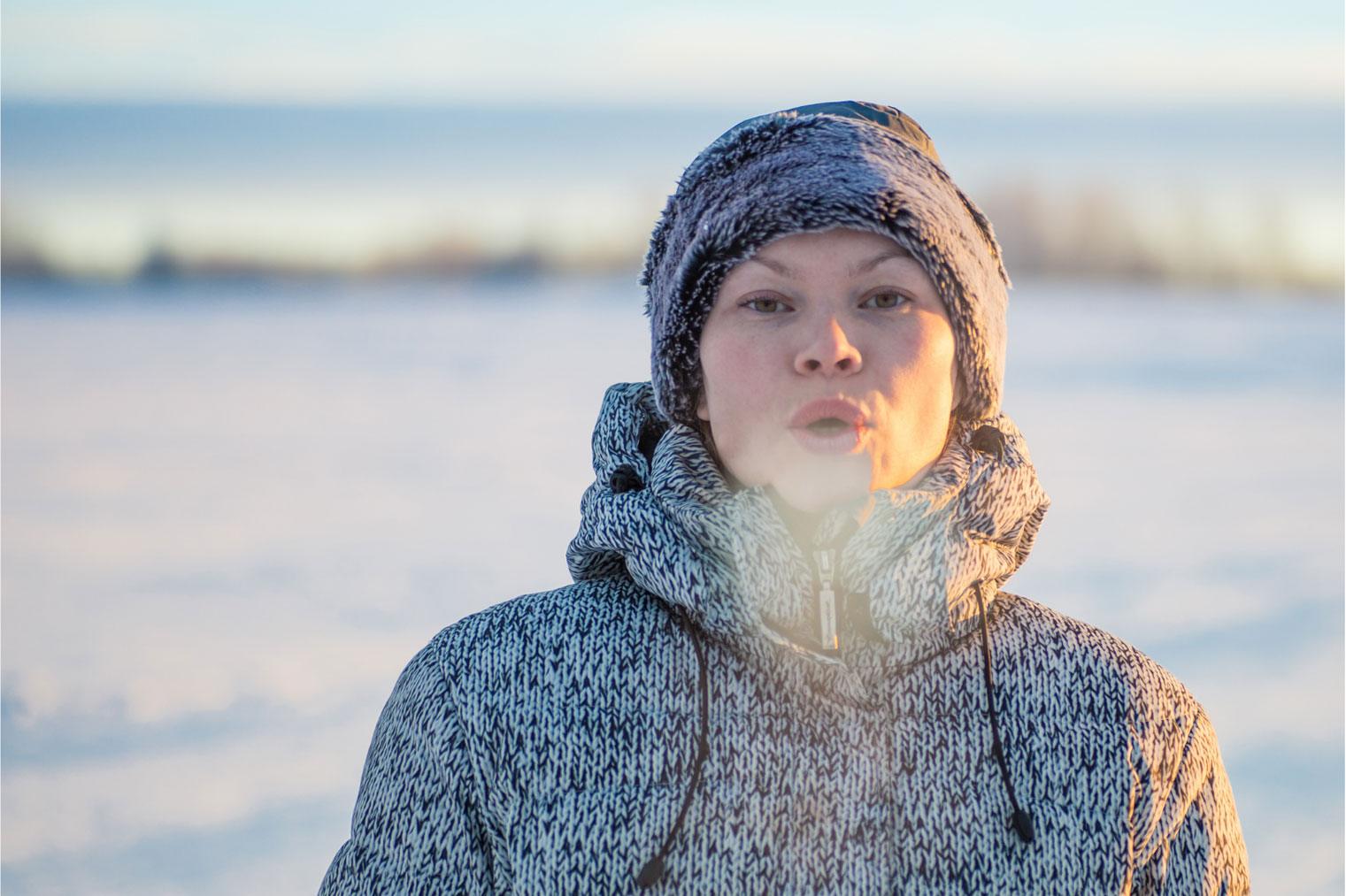
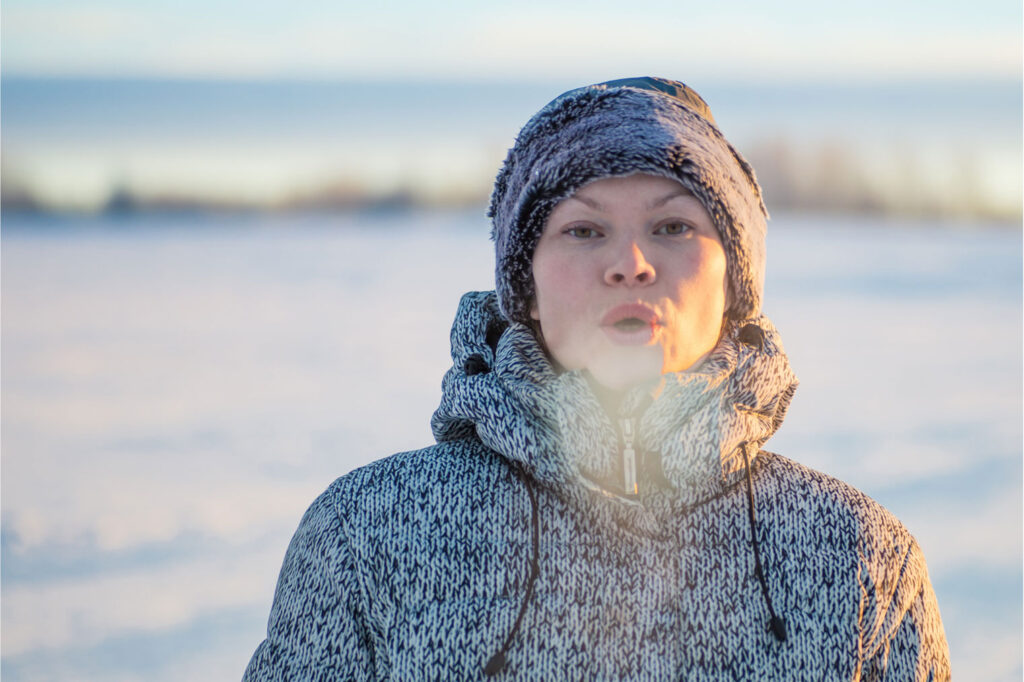
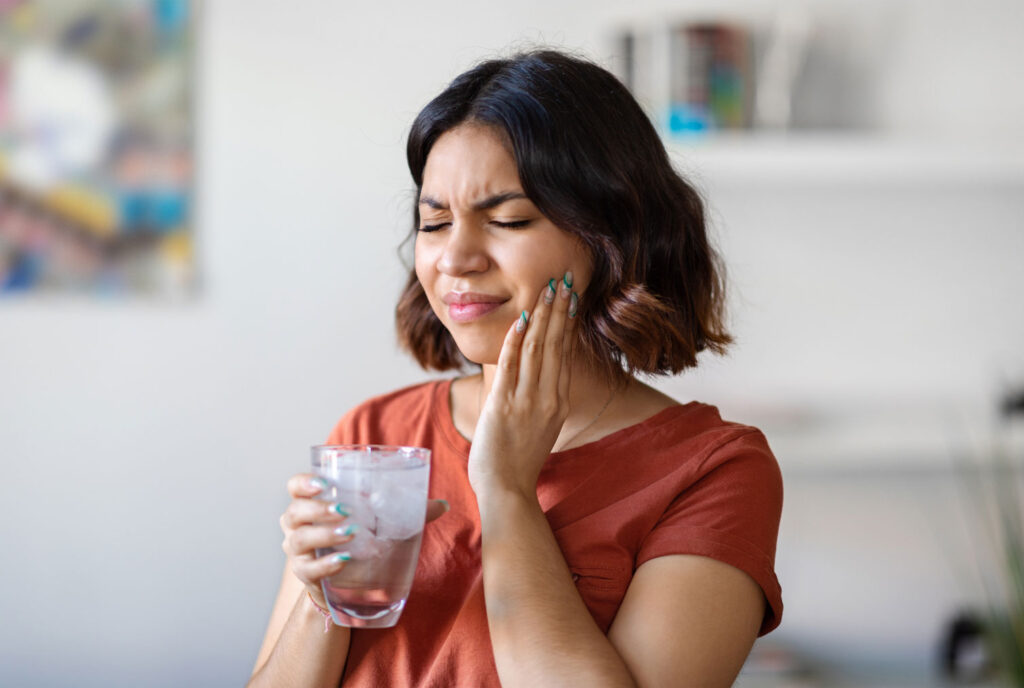
Colder temperatures can increase tooth sensitivity to cold and heat — not just from food and beverages, but even cold air can cause tooth pain, especially if you already have sensitive teeth.If you notice that simply breathing in cold air makes your teeth ache, this may be one of the winter dental problems you should mention at your next checkup-
🥶Winter Dental Problems: Cold Sores in Winter
These small blisters around your mouth and lips are caused by a virus, but their appearance can be triggered by such seasonal ailments as fever and colds, as well as cold weather itself. To help minimize cold sore breakouts in winter weather, keep your lips and the area around your mouth moisturized and use lip balm with sunscreen.
Take steps to minimize the introduction of bacteria and viruses to your body — wash your hands often, try to avoid touching your mouth, and don’t share items like eating utensils and towels with anyone who might have a cold sore. If you feel a cold sore coming on, treat it as soon as possible with over-the-counter medications or talk with your doctor or dentist about treatment options.
🩸 Winter Dental Problems: Gum Infection Risk
Winter colds and flu can weaken your immune system as it works to fight off those illnesses. That leaves the door open for bacteria in your gums to grow almost unchecked, leading to gum infection. Keeping up good dental care at home is important to help fight off the problem.
But if your gums are already swollen, bleeding, or painful, see your dentist. Early treatment can prevent gum disease from becoming one of your long-term winter dental problems.
⚙️ Jaw Pain and TMJ Flare-Ups in the Cold
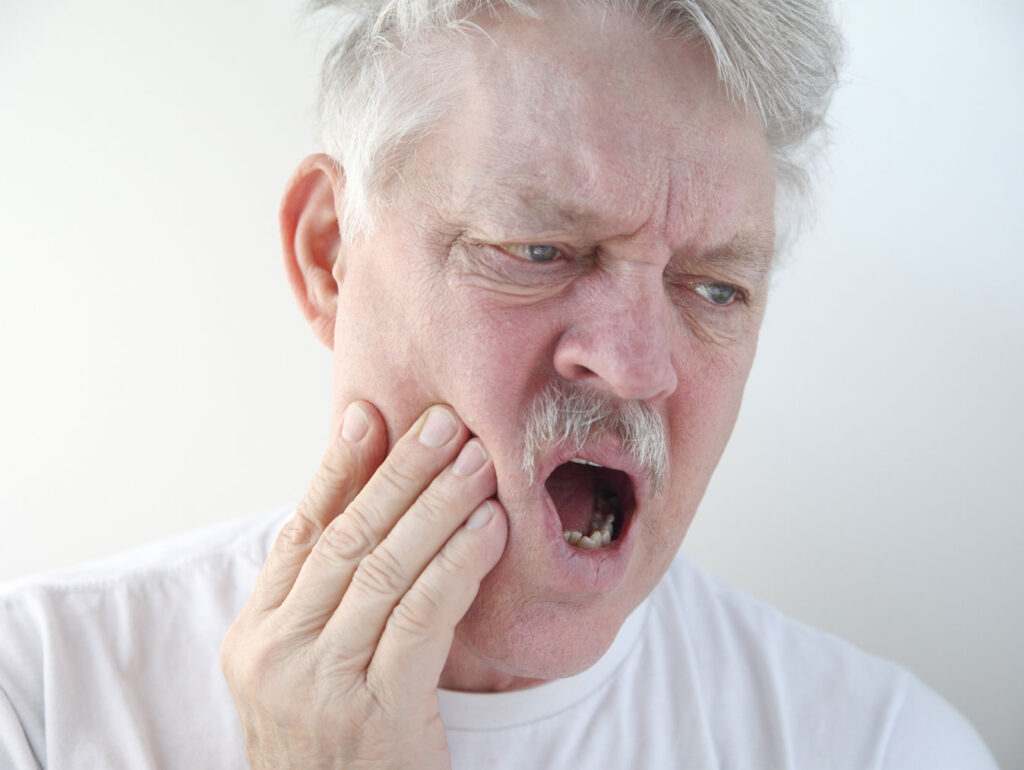
Cold weather can cause your joints and muscles to tighten up — and that includes the ones in your jaw area. If you have temporomandibular joint (TMJ) disorder, this can make the problem harder to manage.
To improve jaw discomfort or TMJ in cold weather, keep warm and consider a scarf or other covering to help keep your jaw area, in particular, toasty. Gentle stretching exercises recommended by your dentist or specialist can also help.
💋 Chapped Lips and Winter Mouth Discomfort
It’s hard to avoid exposing your mouth to wind, cold, and sun while enjoying your favorite outdoor activities in winter, but cooler weather can quickly dry the thin skin on your lips. Soothe dry, cracked lips by applying a bit of petroleum jelly, and protect them from further damage by frequently applying a lip balm containing sunscreen.Although chapped lips might seem minor compared to other winter dental problems, they can make eating, smiling, and speaking uncomfortable.
💧 Dry Mouth in Winter
Less moisture in the air can lead to less saliva production, which can leave your mouth feeling dry. If you actually have an oral health issue known as dry mouth, winter’s dryness can make it worse.
Drinking plenty of water can help keep your mouth hydrated, help your body produce saliva, and help wash away food particles, reducing bacteria in your mouth that can lead to tooth decay. You can also try placing a humidifier in your home to increase moisture in the air.

😊 Protecting Your Smile for Winter Dental Problems
Simple daily habits — staying hydrated, using lip balm, keeping up with brushing and flossing, and paying attention to changes in your mouth — can go a long way in preventing winter dental problems from turning into something more serious.
At Smiles For Health, we offer Zoom whitening and other cosmetic dentistry services so you can smile with confidence.