

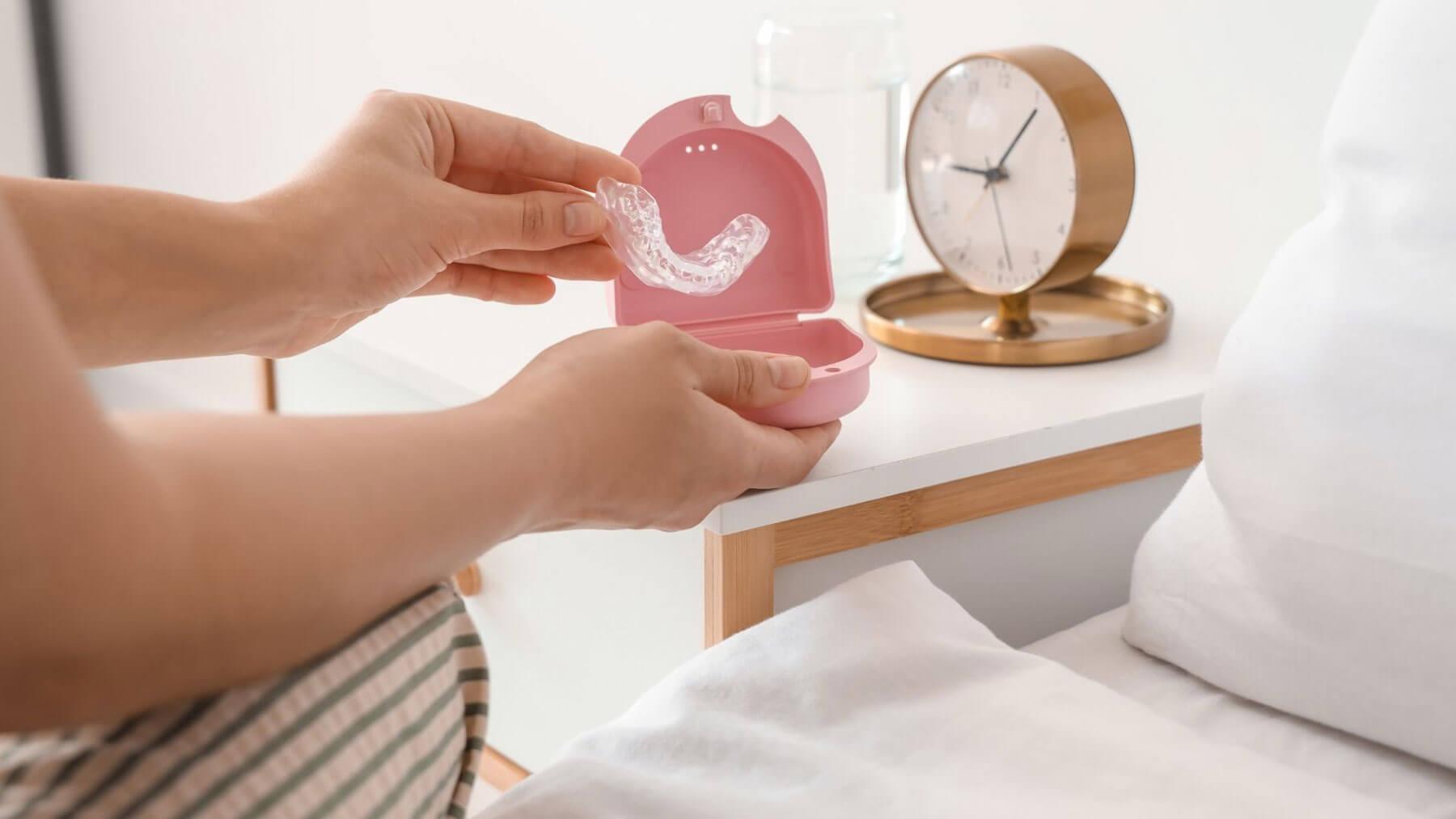
If you’ve been searching for a mouth guard for sleep apnea, you’re likely looking for a quieter, simpler way to sleep better. CPAP works well for many people; however, it isn’t the easiest fit for everyone. Therefore, a dentist-made oral appliance can be a strong option—especially for mild to moderate obstructive sleep apnea (OSA) or for people who struggle with CPAP.
For a trusted overview of sleep apnea—what it is, why it happens, and why treatment matters—the NIH/NHLBI explains the condition in a clear, patient-friendly way here
What a Mouth Guard for Sleep Apnea Really Is
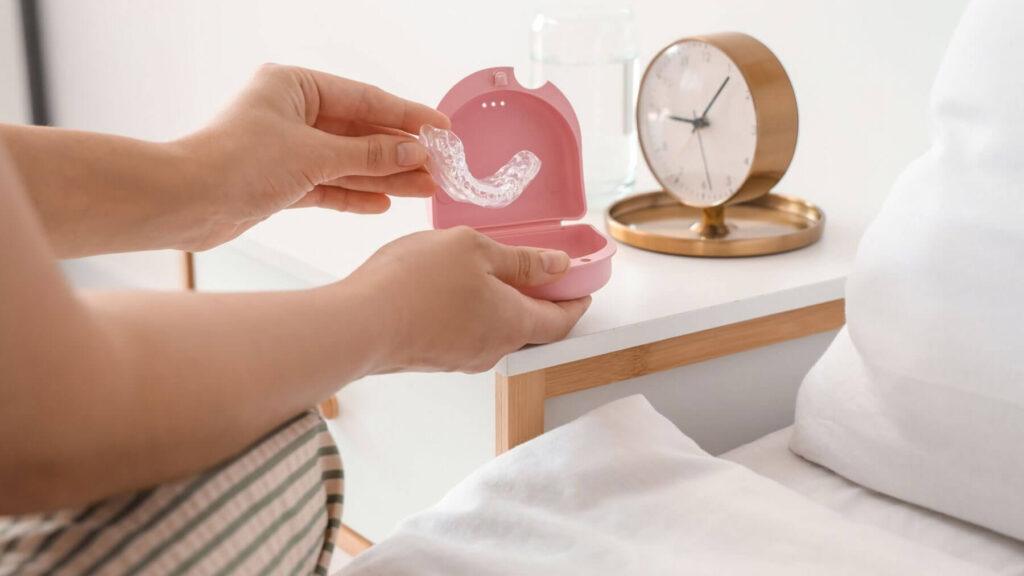
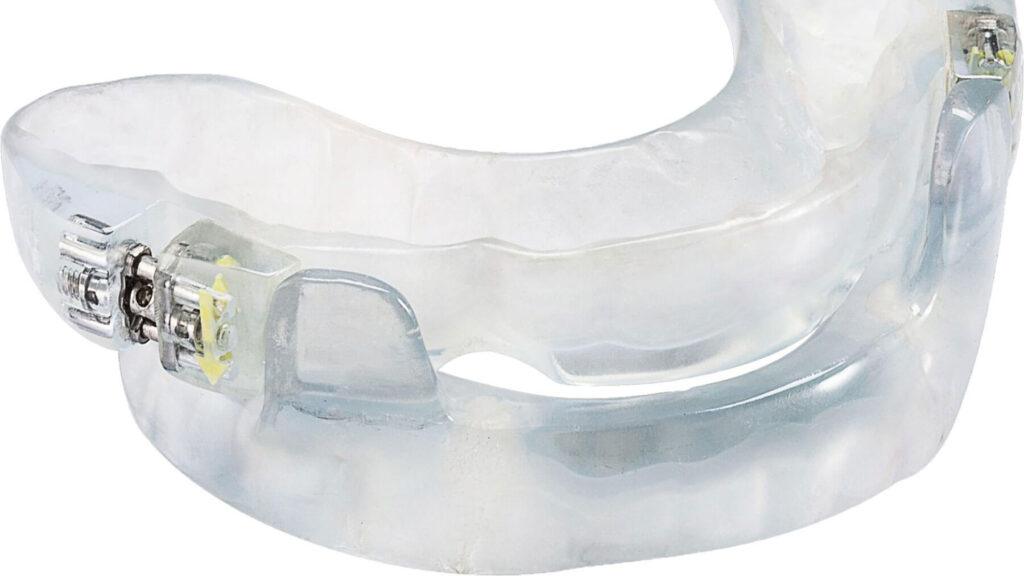
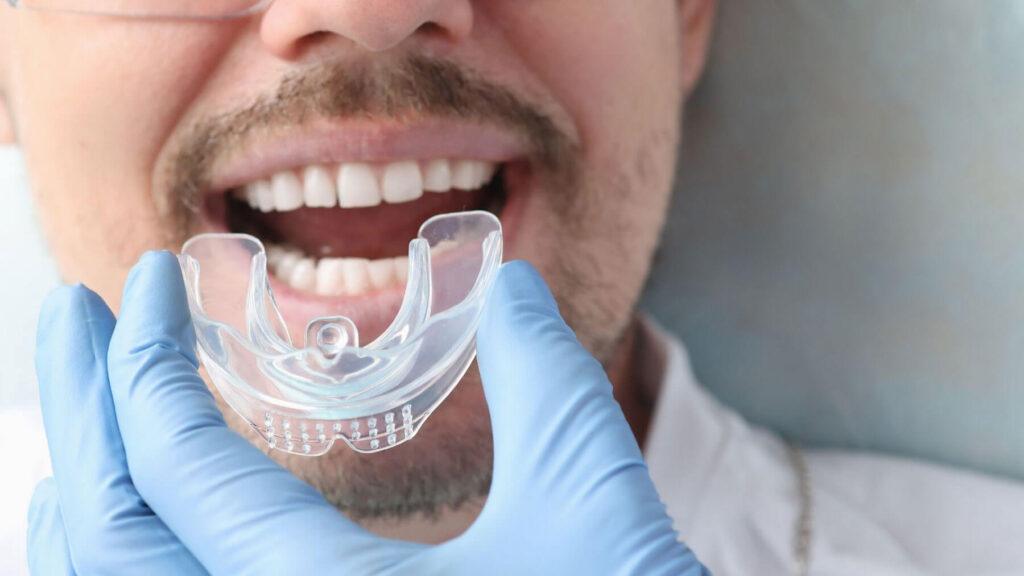
A “mouth guard” for sleep apnea usually comes as a custom oral appliance (often called a mandibular advancement device). In other words, it’s not a sports mouthguard—it’s a medical-grade device that helps keep your airway open while you sleep.
How a Mouth Guard for Sleep Apnea Works
Most devices work by gently guiding the lower jaw forward. As a result, the tongue and soft tissues are less likely to collapse into the airway.
Jaw Positioning to Support Airflow
By guiding the jaw slightly forward, an oral appliance can open more space in the throat. As a result, airflow stays steadier and nighttime disruptions often decrease.
Snoring Reduction as a Secondary Benefit
Snoring often comes from vibration in narrowed tissues. That said, snoring improvement doesn’t always mean apnea is fully treated, so a sleep evaluation still matters.
Benefits of a Mouth Guard for Sleep Apnea
- Quiet and travel-friendly, which many partners appreciate.
- Simple routine, because there’s no mask or tubing.
- Better consistency, since many patients tolerate it more easily than CPAP.
- Comfort-focused fit, because it’s made for your bite and teeth.
Who Is a Good Candidate for a Mouth Guard for Sleep Apnea?
A mouth guard can help the right patient; however, it’s not a one-size solution. Your sleep study results, airway anatomy, and health history guide the decision.
If you want a clinical, evidence-based reference on when oral appliance therapy is recommended and how it compares to other options, the American Academy of Sleep Medicine outlines clear guidelines here
Mild to Moderate OSA or CPAP-Intolerant Patients
If you have mild or moderate OSA, oral appliance therapy may be appropriate. In addition, it can help patients who tried CPAP but couldn’t tolerate it.
When Another Approach May Be Better
Severe OSA, certain medical conditions, or complex airway issues may require CPAP, medical management, or specialty care. Therefore, we coordinate with your sleep physician when needed.
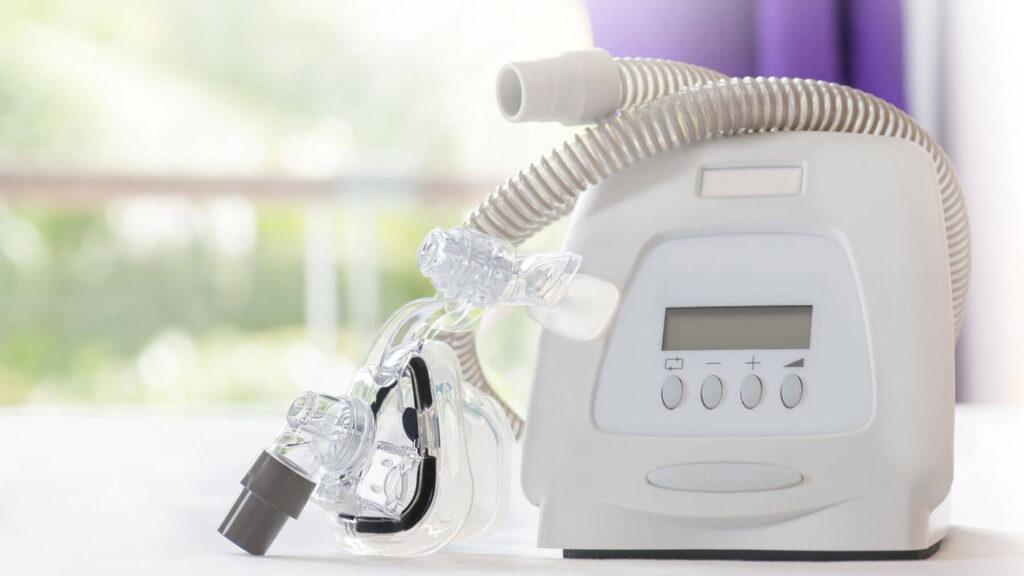
Steps to Get a Custom Sleep Apnea Oral Appliance
- Sleep evaluation confirmation (or review of your existing study).
- Dental exam to ensure teeth and gums can support the device.
- Digital scan or impressions for a precise fit.
- Fitting + adjustments, because comfort and airway response both matter.
- Follow-ups, so we can fine-tune the appliance and monitor progress.
Cost, Coverage, and What to Know Up Front
Costs vary widely depending on the type of device and the clinical work involved. Some insurance plans may cover oral appliance therapy; however, coverage depends on benefits and diagnosis. Therefore, our team can help you understand your options before you commit.
Caring for Your Oral Appliance
Clean it daily and store it properly. In addition, keep regular dental visits so we can monitor your bite and jaw comfort over time.
Mouth Guard for Sleep Apnea in Carlsbad, CA
At Smiles For Health (Carlsbad), we take a calm, step-by-step approach. That said, our priority is always safety: we verify diagnosis, confirm candidacy, and make sure your plan supports both sleep quality and oral health.
If you’re curious whether a mouth guard for sleep apnea is right for you, schedule a consultation at Smiles For Health in Carlsbad, CA—and let’s build a plan that feels doable.