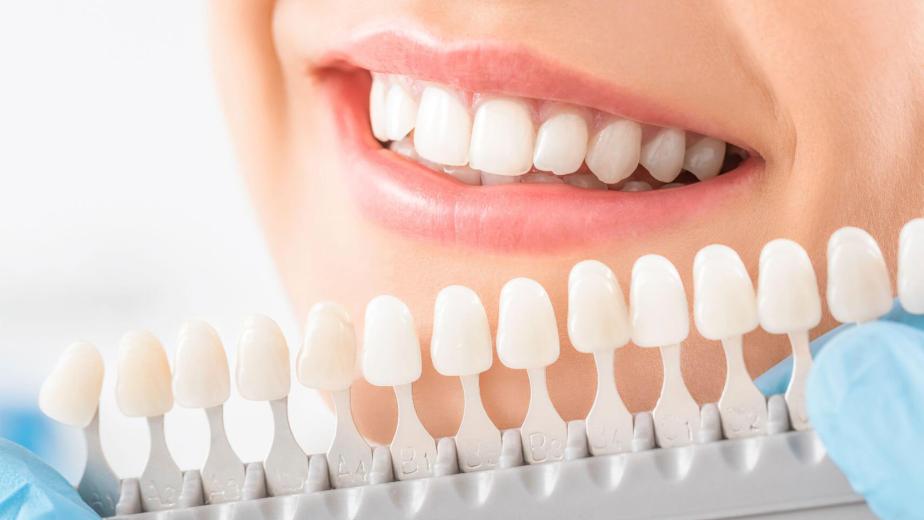




The good news is that how to fix a cracked tooth usually starts with a simple step: identifying where the crack is and how deep it goes. Sometimes a crack is only on the enamel, while other times it reaches the nerve or extends below the gumline. Therefore, the best treatment isn’t one-size-fits-all—it’s tailored to protect your tooth and keep you comfortable.

What Causes A Tooth To Crack?
A cracked tooth often happens after a single moment of pressure; however, it can also develop slowly over time. For example, biting ice, hard candy, or an unpopped popcorn kernel can create sudden force that overwhelms the tooth. In addition, trauma from a fall or sports injury can crack a tooth even if it looked “fine” at first.
Grinding and clenching (bruxism) is another common culprit. Because that pressure repeats night after night, tiny stress lines can worsen until the tooth finally gives way. Large fillings can also weaken tooth structure; as a result, the remaining tooth may be more vulnerable to cracking under normal chewing.
💡 Quick tip: If you grind your teeth at night, a custom night guard can reduce pressure on weak spots and help prevent future cracks.
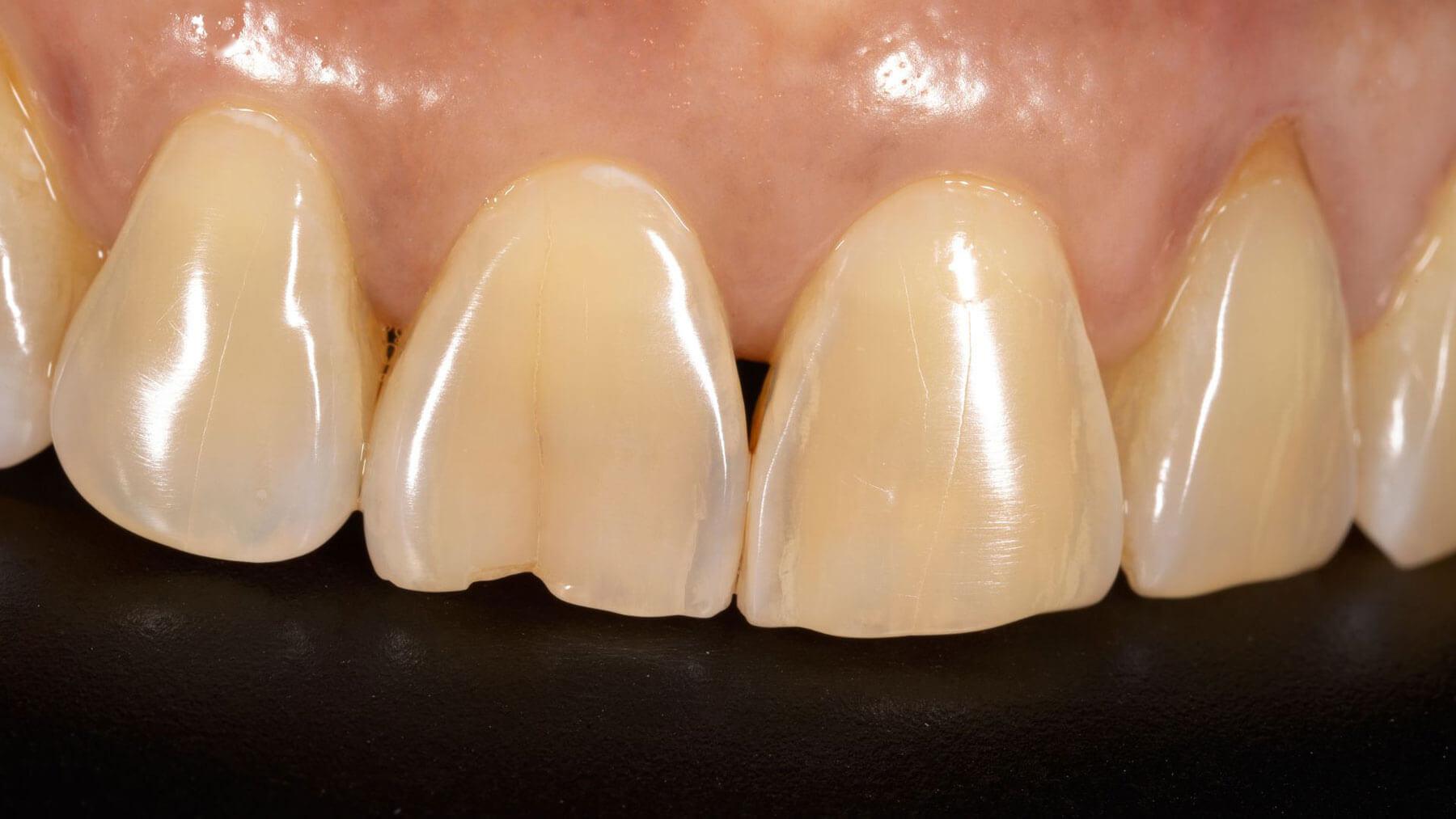
How To Fix A Cracked Tooth With The Right Diagnosis
Before choosing a repair, your dentist needs to confirm the crack pattern and how the tooth responds to biting and temperature. That said, cracks can be tricky—some don’t show clearly on standard X-rays. Therefore, your visit may include a careful bite test, imaging, and a close exam to pinpoint the source of pain.
If you feel a sharp “zing” when chewing or notice lingering sensitivity to cold, it may suggest the crack is affecting deeper layers of the tooth. In other words, the symptoms often guide the treatment plan just as much as what we can see.
✅ Good to know: The sooner a crack is diagnosed, the more conservative your treatment options usually are.
Cracked Tooth Treatment Options That Work
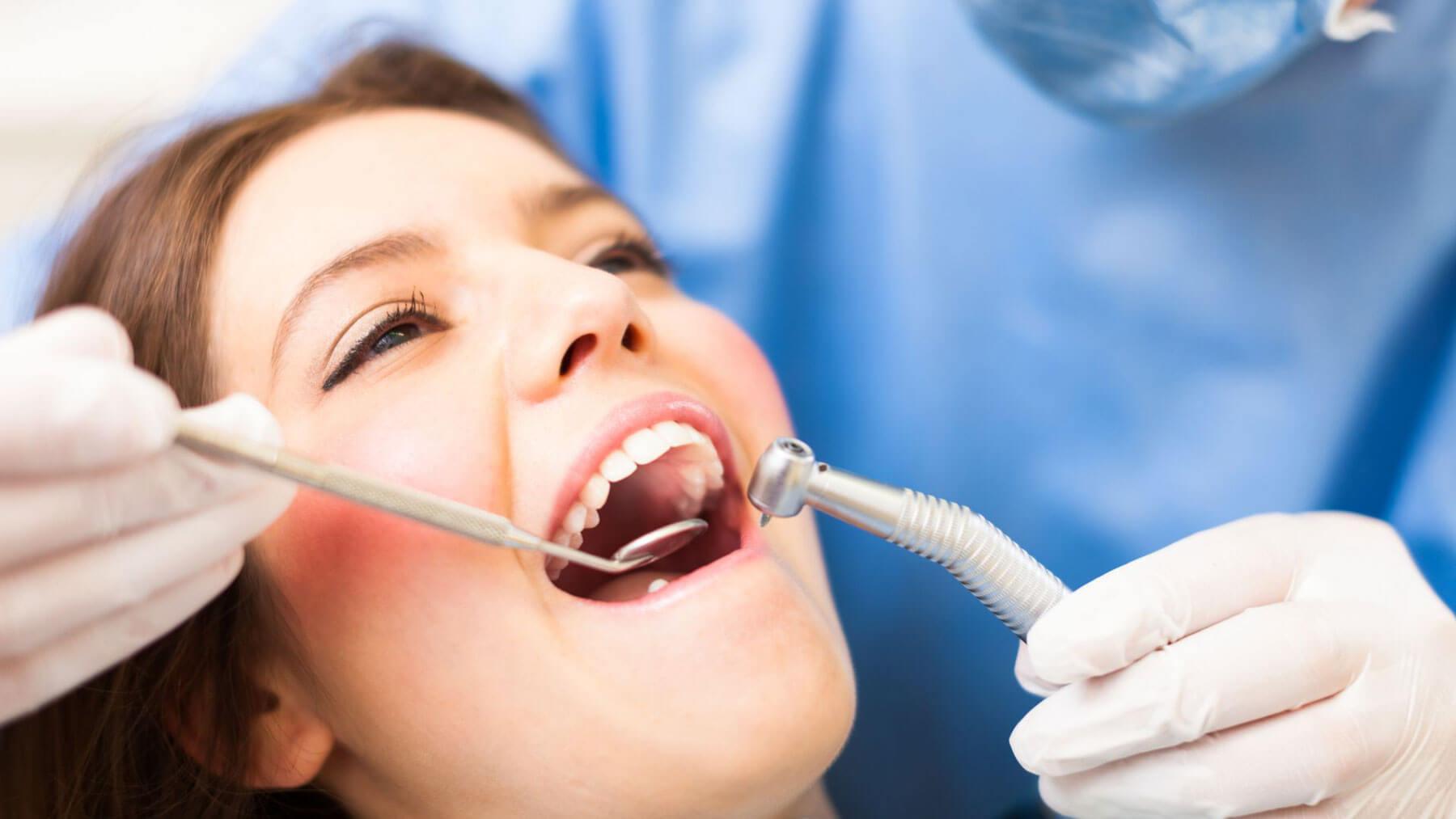
The most effective cracked tooth treatment depends on crack size, location, and whether the nerve is involved. Moreover, early care usually means simpler (and more conservative) solutions. Because every crack behaves differently, how to fix a cracked tooth usually comes down to choosing the right level of protection—something conservative when the damage is small, and something stronger when the tooth is at risk of splitting. Moreover, treating it early often helps you avoid bigger procedures later.
🦷 Dental bonding (small cracks or chips).
Bonding uses tooth-colored resin to seal minor damage and smooth rough edges. It’s quick and conservative; however, it’s not strong enough for every crack—especially on heavy-biting back teeth.
✨ Veneers (cosmetic cracks on front teeth).
A veneer can cover visible surface cracks and improve appearance. Therefore, it’s often chosen when the main concern is cosmetic rather than structural strength.
🛡️ Dental crowns (larger cracks that need reinforcement).
A crown “caps” the tooth, holding it together and helping prevent the crack from spreading. In addition, crowns can restore bite strength when chewing has become uncomfortable.
🧼 Root canal + crown (if the crack reaches the nerve).
When the crack irritates or infects the pulp, a root canal can relieve pain and remove infected tissue. Afterward, a crown protects the tooth; as a result, many teeth can be saved instead of removed.
🧩 Onlays/inlays (moderate cracks without full coverage).
Sometimes an onlay or inlay can restore the chewing surface without covering the entire tooth. This can be a great middle option; however, it depends on how much tooth structure remains.
🔗 For crack types and treatment pathways, see the American Association of Endodontists’ overview on cracked teeth:
Can A Cracked Tooth Be Saved Without Extraction?
In many cases, yes. Modern dentistry focuses on preserving natural teeth whenever possible; therefore, we look for repairs that stabilize the tooth and protect it from further stress.
However, some cracks simply can’t be repaired—especially when they extend deep into the root or split the tooth. In those situations, extraction may be the safest way to prevent ongoing infection or pain. If removal becomes necessary, replacement options like a dental implant or bridge can restore function and appearance.
⭐ Reassurance: Even when a tooth can’t be saved, there are strong, natural-looking ways to restore your smile.

What Happens If You Ignore A Cracked Tooth?
A small crack can stay stable for a while; still, delaying care can raise the risk of pain, infection, or a sudden fracture. When bacteria reach deeper layers, symptoms can escalate and treatment can become more involved.
🔗 For a clinical overview of oral infections and potential spread, see this NIH/NCBI resource

When To Contact Smiles For Health
Even if the crack feels minor, how to fix a cracked tooth often depends on timing—because small fractures can deepen under everyday pressure. Therefore, getting a diagnosis early can mean simpler care, less discomfort, and a better chance of saving the tooth.
📍 Ready for clarity and relief? Schedule an appointment with Smiles For Health DDS in Carlsbad, CA, and we’ll help you choose the most conservative option to protect your tooth and your comfort.
Frequently Asked Questions
Can a cracked tooth heal on its own?
No—enamel doesn’t regenerate; therefore, dental treatment is usually needed to stop the crack from worsening.
How do dentists confirm a crack if it doesn’t show on X-rays?
They may use bite tests and detailed exams; in addition, symptoms help pinpoint the problem tooth.
Is bonding enough for a cracked back tooth?
Sometimes for minor damage; however, back teeth often need stronger protection like an onlay or crown.
Do I always need a crown for a crack?
Not always; for example, small surface cracks may only need smoothing or bonding, depending on symptoms.
When is a root canal necessary for a cracked tooth?
If the crack affects the nerve or infection develops; therefore, a root canal can relieve pain and protect the tooth before crowning.
What if the crack goes below the gumline?
Treatment becomes more complex; consequently, your dentist may discuss advanced options or, in some cases, removal.
How long do cracked-tooth repairs usually last?
It depends on the material and bite forces; however, crowns often provide the most durable protection.
What should I do until I can get to the dentist?
Avoid chewing on that side and skip hard foods; moreover, call if swelling or severe pain appears.
Permanent solutions include crowns, veneers, or implants if extraction is needed. Smiles for Health DDS notes that cracked tooth treatment aims for longevity. Repair options for cracked teeth depend on damage and patient preference.