You might think brushing right after a meal is the best way to clean your teeth, but breakfast is a little different. If you’re asking, “should you brush your teeth before or after breakfast?” the key is enamel safety—because many morning foods temporarily soften enamel. Therefore, brushing at the wrong time can increase wear over time, even with good technique.

🪥⚠️ Should You Brush Your Teeth Before or After Breakfast? Why Brushing Right After Can Backfire
Here’s what happens if you brush your teeth immediately after breakfast:
- Acid exposure: Many breakfast staples are acidic—orange juice, coffee, fruit, yogurt, and even toast (oral bacteria turn carbs into acids). As a result, enamel softens briefly after you eat.
- Enamel softening: During that window, enamel becomes more vulnerable to abrasion; in other words, it’s easier to wear down.
- Brushing too soon: When you brush while enamel is softened, you can scrub away microscopic layers faster. Therefore, repeated “brush-right-after” habits can accelerate erosion.
- What that can lead to:
- Increased sensitivity as dentin becomes more exposed
- More yellow or dull-looking teeth because dentin shows through thinner enamel
- Higher cavity risk because weakened enamel breaks down faster
🦷✅ Why Dentists Recommend Brushing Before Breakfast
Once you understand enamel timing, the answer to should you brush your teeth before or after breakfast becomes much clearer: most dentists recommend before.
✨🦷 Benefits Of Brushing Before Breakfast
- Removes overnight plaque: Bacteria build up while you sleep; therefore, brushing first lowers the “starting bacteria load.”
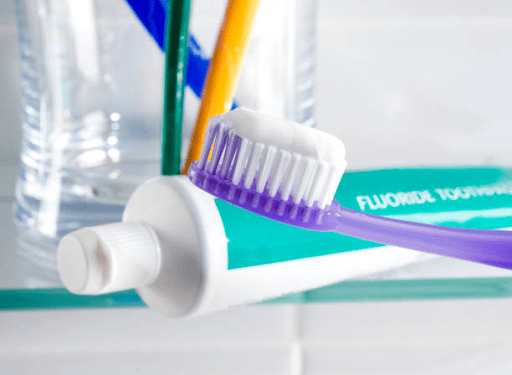
- Adds fluoride protection: Fluoride toothpaste coats enamel early; as a result, your teeth handle breakfast acids better.
- Improves breath fast: Morning breath comes from overnight bacterial activity; meanwhile, brushing first helps you start fresh.
- Reduces sugar impact: If you eat cereal or pastries, fewer bacteria remain to turn sugars into acid right away.
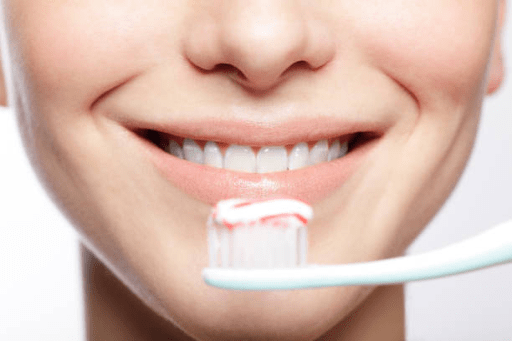
⏱️🙂 Is It Ever Okay To Brush After Breakfast? Yes—Follow This Timing
Brushing after breakfast can still work; however, you need the right sequence so you don’t brush softened enamel.
✅⏳ Safe Rules If You Brush After Breakfast
- Wait 30–60 minutes: Give saliva time to neutralize acids; therefore, enamel can re-harden.
- Rinse right after eating: Swish with plain water to dilute acids; meanwhile, you protect enamel until you brush.
- Use a soft brush + gentle pressure: Technique matters more than force; in other words, “scrubbing” backfires.
- Stick with fluoride toothpaste: Fluoride supports remineralization; as a result, enamel recovers better.
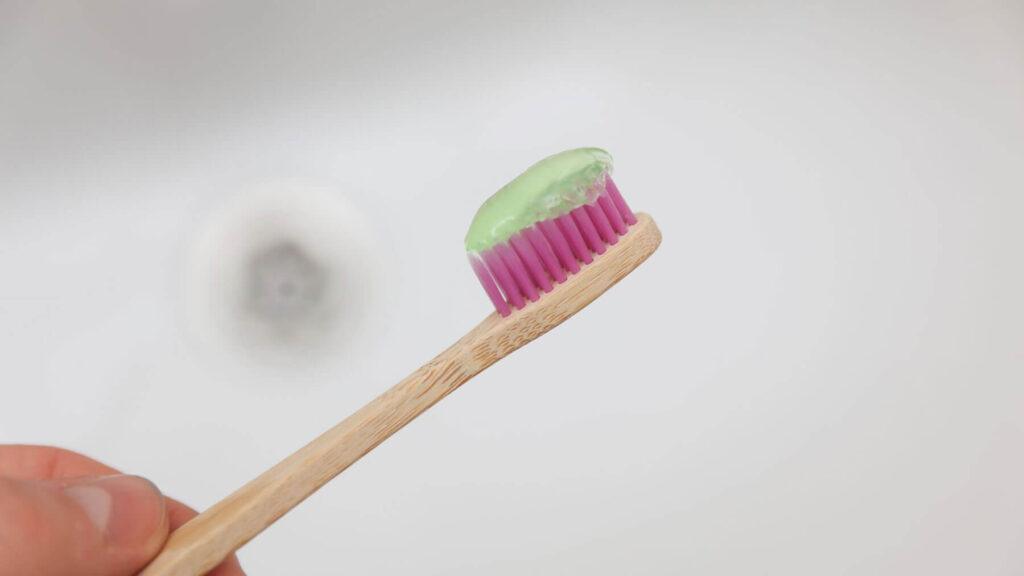
🌞🧼 The Ideal Morning Brushing Routine: Simple, Repeatable, Real-Life Friendly
Here’s a routine most people can actually keep:
- Brush first (2 minutes) before food or coffee.
- Eat breakfast.
- Rinse with water after.
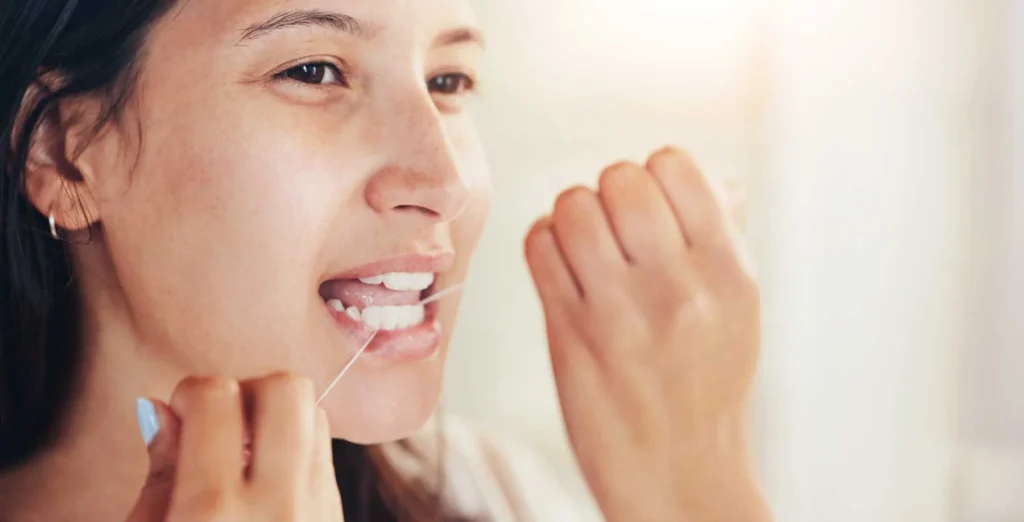
- Floss once daily (morning or night—consistency matters).
- Brush later only if needed (and only after that 30–60 minute window).
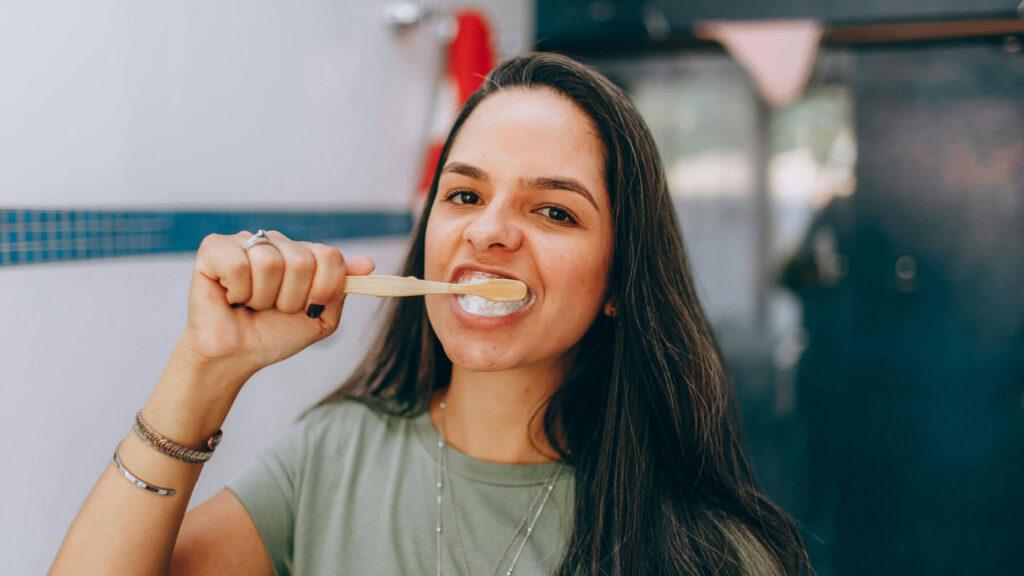
🛡️🦠 Does Brushing Timing Affect Cavity Prevention?
Yes—because timing changes how much plaque and acid hit enamel at the same time. For example, brushing before breakfast reduces bacteria first; therefore, fewer acids form when you eat. In addition, fluoride has more time to protect enamel before the first meal.
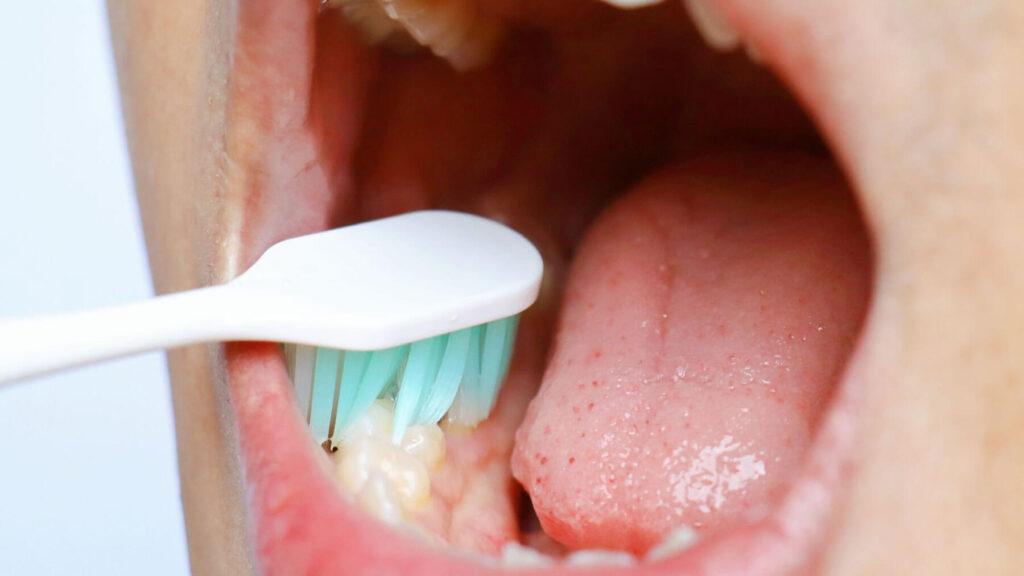
👧🪥👦 When Should Kids Brush In The Morning?
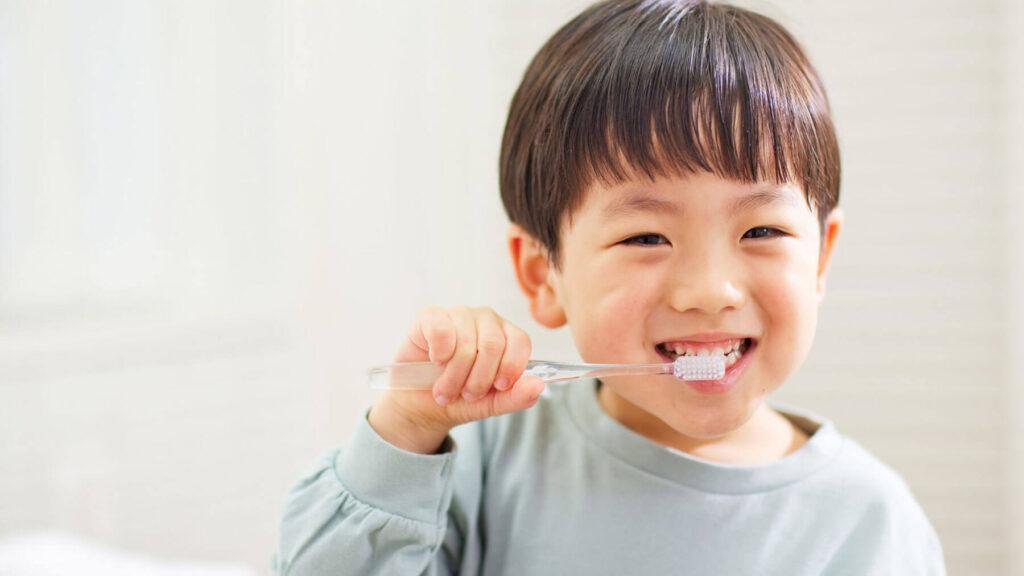
Most kids do best with “brush first, then breakfast.” Their enamel can be more vulnerable; therefore, the fluoride barrier helps. That said, if mornings feel hectic, focus on consistency: rinsing after breakfast plus brushing later (after 30–60 minutes) still beats skipping altogether.
Want help dialing in the best routine for your enamel and sensitivity? Schedule an exam at Smiles For Health DDS in Carlsbad, and we’ll personalize your morning plan based on your teeth, diet, and habits.
Frequently Asked Questions
Should you brush your teeth before or after breakfast for best results?
Brushing before breakfast is usually best; therefore, you remove overnight plaque and add fluoride protection before acids hit.
Brushing after breakfast—when is it actually safe?
Wait 30–60 minutes; meanwhile, rinse with water right away so enamel isn’t exposed as long.
Why does brushing right after coffee or orange juice matter?
Acid can soften enamel briefly; as a result, immediate brushing may increase enamel wear over time.
Does brushing before breakfast help prevent cavities?
Yes—because it lowers bacteria first; therefore, fewer acids form when you eat.
In a rush—what’s the best “quick win” in the morning?
Brush before breakfast if you can; however, if you can’t, rinse after eating and brush later.
What’s better for kids: before or after breakfast brushing?
Before is usually easiest and safest; therefore, fluoride protects enamel before sugary or acidic foods.
Can mouthwash replace brushing in the morning?
Not really; mouthwash helps temporarily, but brushing removes plaque. Therefore, use mouthwash as a backup—not a substitute.
Are electric toothbrushes more effective for morning brushing?
Electric toothbrushes can improve plaque removal, enhancing benefits related to brushing teeth timing and when to brush in the morning.