
Dental X-rays help your dentist spot issues you can’t see during a visual exam. That’s why, when we recommend them, we do it for a clear reason: early detection, better planning, and fewer surprises later. 🦷
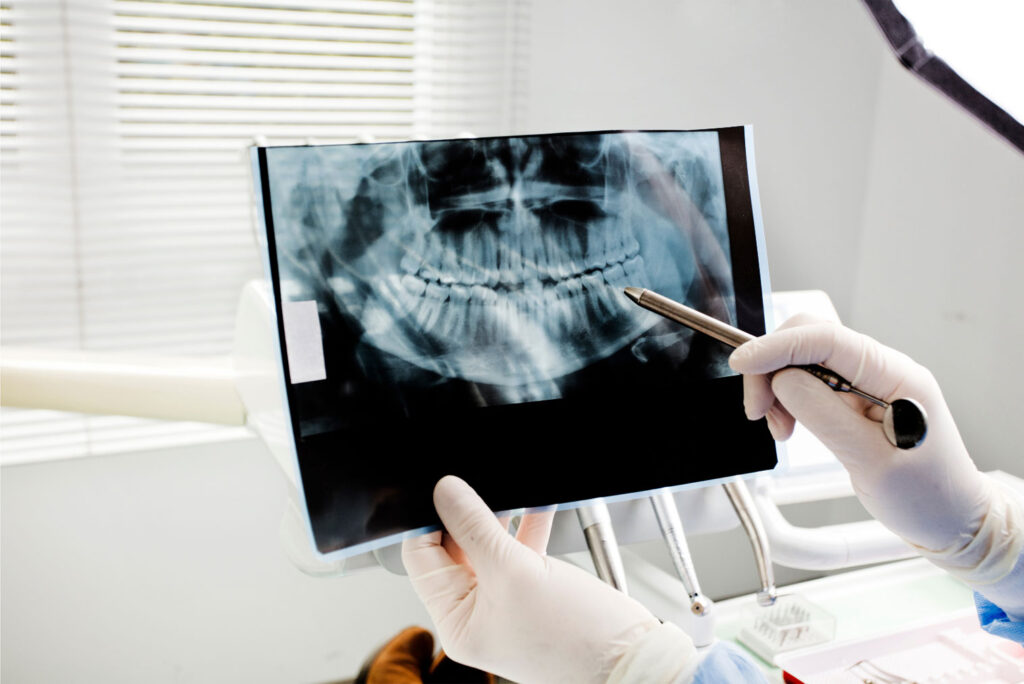
🦷 What Are Dental X-Rays?
Are images that show your teeth, roots, jawbone, and supporting structures. In addition, they help your dentist catch small problems early—before they turn into pain or more involved treatment.
⏳ How Often Do You Need?
The right schedule depends on your oral health needs. For example:
- New patients: may need X-rays to establish a baseline for future comparisons.
- Regular patients: may need X-rays every 1–3 years, depending on age, dental history, and risk factors.
In other words, your dentist recommends frequency based on you—not a one-size-fits-all rule.

🔍 What Dental X-Rays Can Reveal
This help detect:
- Hidden cavities: between teeth or under existing restorations
- Gum disease: by showing bone support levels
- Infections and abscesses: around the root or nearby structures
- Tooth and jaw development: especially helpful for children
- Oral pathology: cysts, tumors, or other abnormal growths that may need follow-up
🛡️ Are Safe?
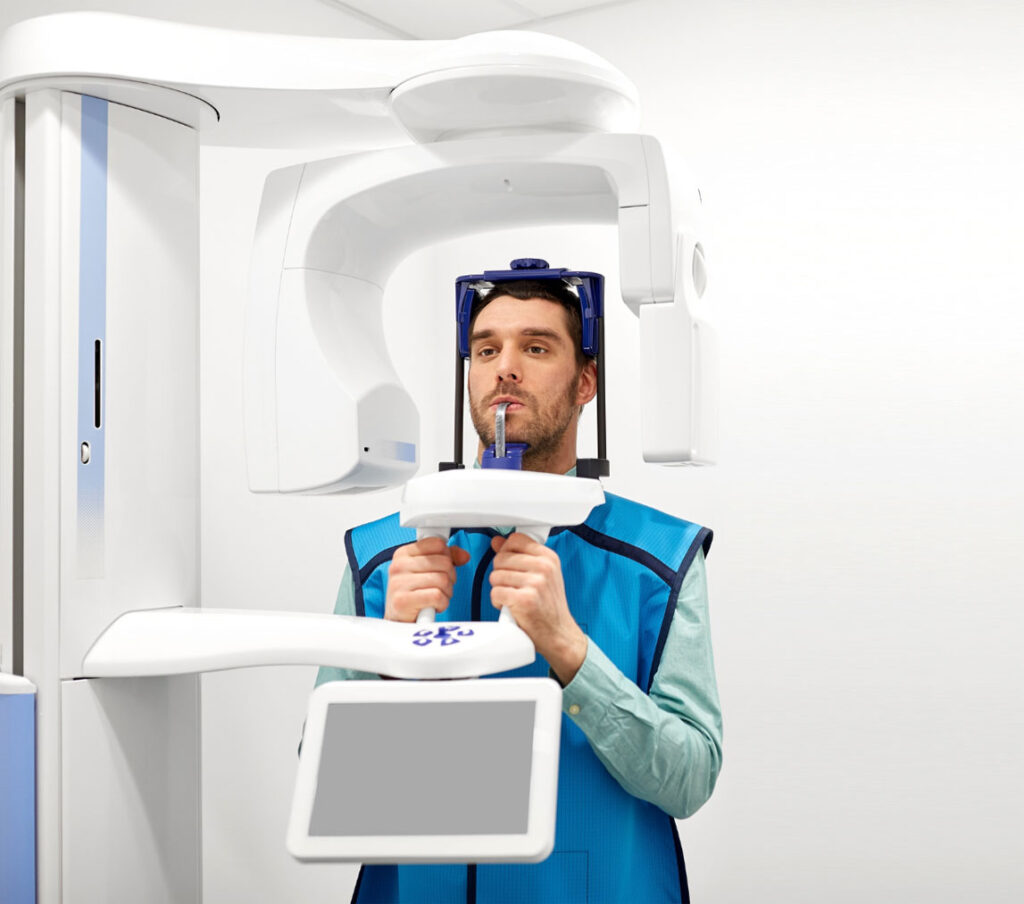
Yes. Modern technology greatly reduces exposure, and we use protective measures when appropriate. Most importantly, at Smiles For Health, we take only when necessary—so you get the diagnostic benefits with a safety-first approach.
✅ If You Have Questions, Ask These
If you’re unsure, you can ask:
- What are we looking for with these X-rays?
- How often do you recommend them for my risk level?
- Can we space them out if my history is low-risk?
If you have questions about dental X-rays or it’s time for a checkup, schedule a visit with Smiles For Health. We’ll walk you through the why and keep your care simple, clear, and preventive.