What is a Crown on a Tooth?
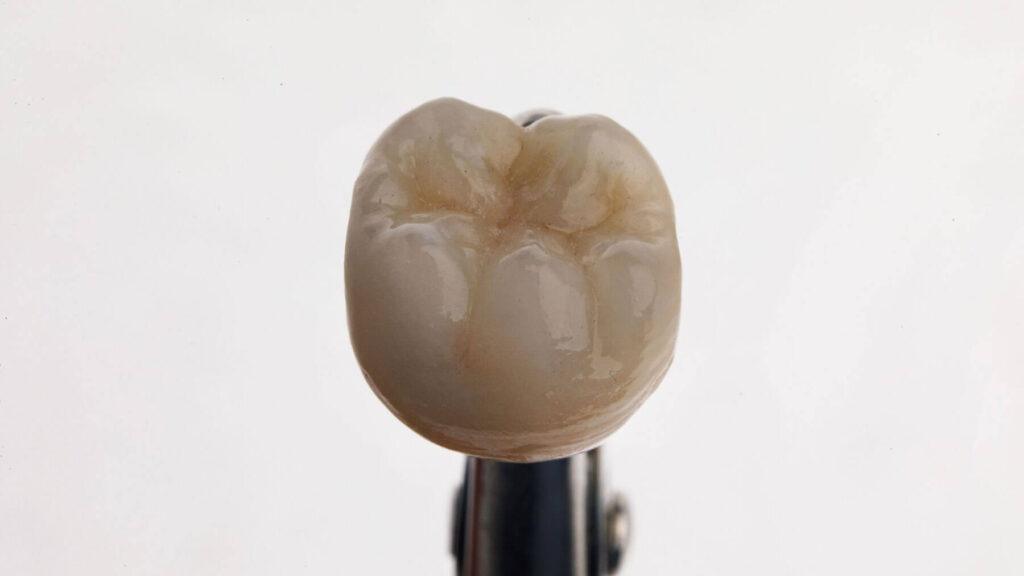
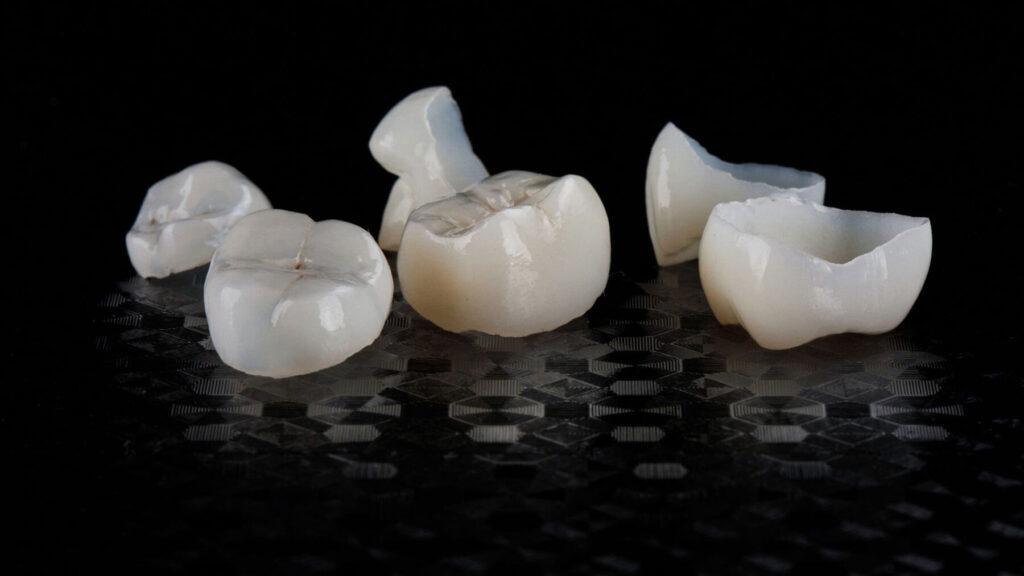
If you’re asking what is a crown on a tooth, you’re not alone. A crown is a custom “cap” that covers a tooth to protect it and restore function. In other words, it’s full coverage—right to the gumline.
A crown helps when a tooth is weak, cracked, or heavily repaired. It can also improve the tooth’s shape and appearance. At Smiles for Health DDS, we design crowns to look natural, feel comfortable, and hold up to daily chewing.
✅What Is a Crown on a Tooth, in Simple Terms?
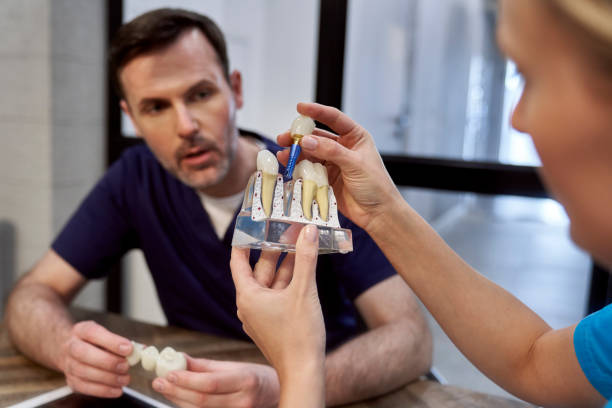
A crown covers the visible part of your tooth. Because it wraps around the tooth, it adds strength and support. That is why it’s often used when a filling alone is not enough.
Think of it like a helmet. It protects what’s underneath. At the same time, it restores the tooth’s bite and shape.
🦷 What Is a Crown on a Tooth Meant to Do?
A crown is used to:
- Protect a tooth that may crack or break
- Restore chewing strength and shape
- Cover large fillings that weaken tooth walls
- Improve appearance for stained or misshapen teeth
- Support a tooth after a root canal
So, the goal is simple: keep the tooth stable and usable long-term.
🧠 Why Do Dentists Recommend Crowns?
Dentists recommend crowns when a tooth is too damaged to rely on a filling. For example, a tooth with a deep crack can flex under pressure. Over time, that can turn into a full fracture.
Also, teeth after root canal treatment can become more fragile. Because of that, a crown often becomes the protective “final step.”
Finally, crowns are common when you have a very large filling. In that case, there may not be enough natural tooth left to support chewing forces.
🏥 What Is the Dental Crown Procedure Like?
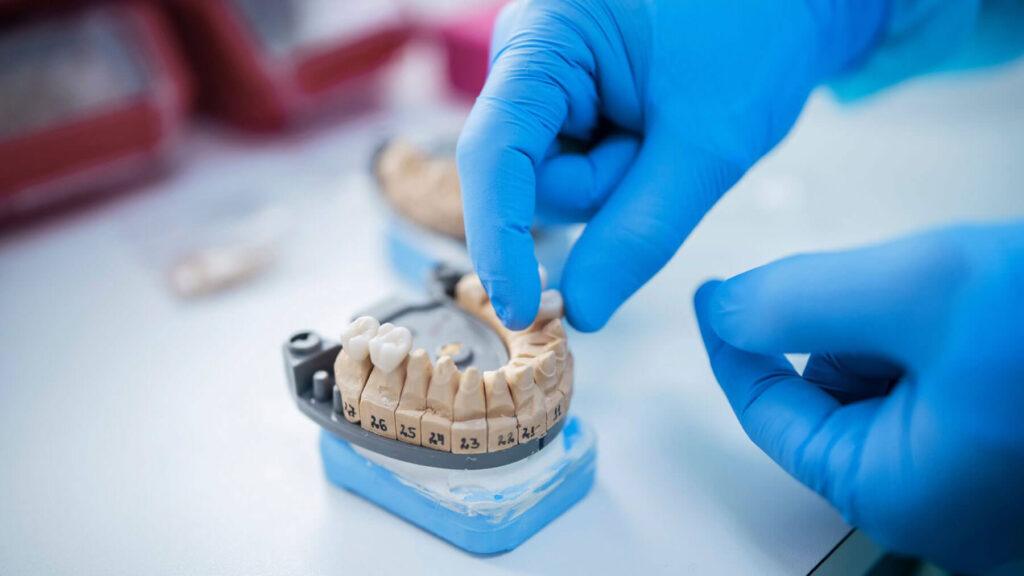
Most crowns follow a simple process:
- Exam + imaging to confirm the tooth can be saved
- Tooth prep to remove weak areas and shape the tooth
- Impression/scan so the crown fits precisely
- Temporary crown while the final crown is made
- Final placement and bite adjustment
However, some offices can offer same-day crowns with in-house technology. At Smiles for Health DDS, we’ll explain your timeline before you start.
🧱 What Types of Dental Crowns Are Available?
The best crown depends on where it goes and what you need.
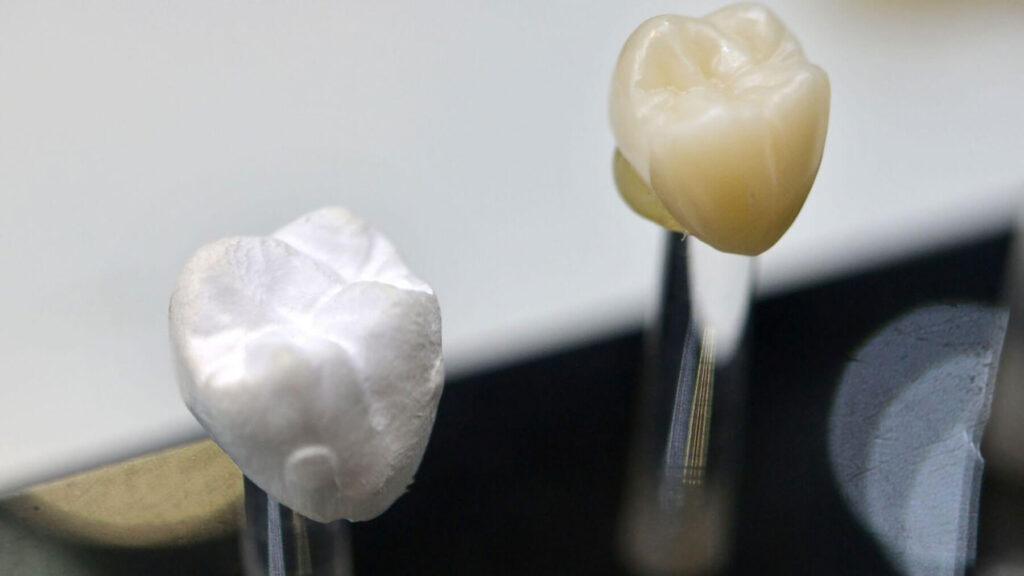
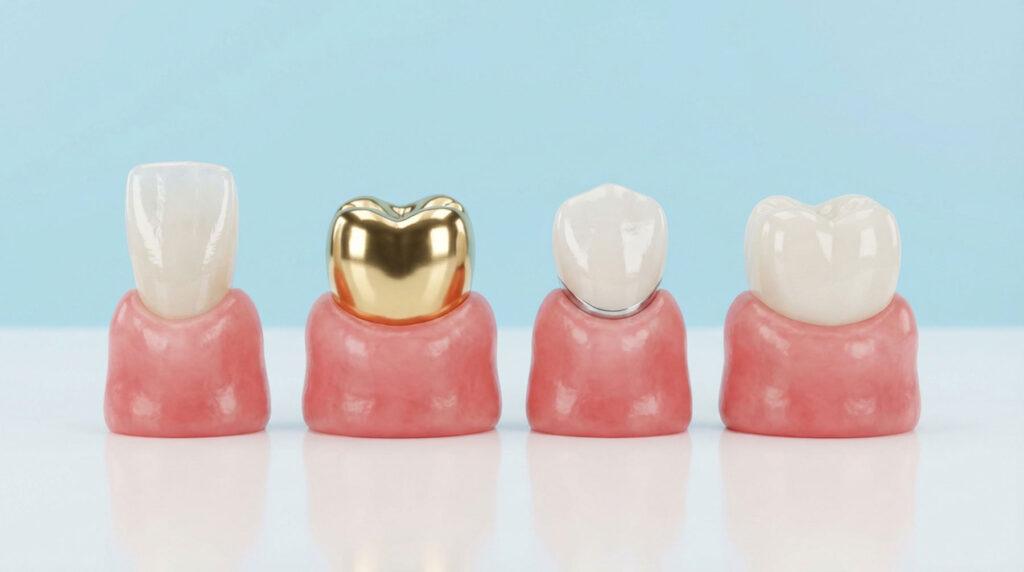
✨What Is a Crown on a Tooth: Porcelain or Ceramic Dental Crown (Most Natural Look)
These look the most natural. Therefore, they’re often used on front teeth.
🛡️ Dental Crown Porcelain-Fused-to-Metal (PFM)
PFM crowns combine strength and appearance. However, the metal edge may show near the gumline over time.
🏋️ What Is a Crown on a Tooth: Metal Dental Crown(Gold/Alloy)
These are very durable. For that reason, they work well on back molars.
💎 Zirconia or E.max Dental Crown
These options are strong and aesthetic. So, they’re common for both front and back teeth.
⏳ How Long Does a Dental Crown Last?
Many crowns last 10–15 years. Some last longer, especially with good habits.
However, crown life depends on:
- brushing and flossing daily
- regular cleanings
- avoiding hard chewing (ice, popcorn kernels)
- treating grinding with a nightguard
A crown can’t decay, but the tooth underneath can. That’s why gumline care matters.
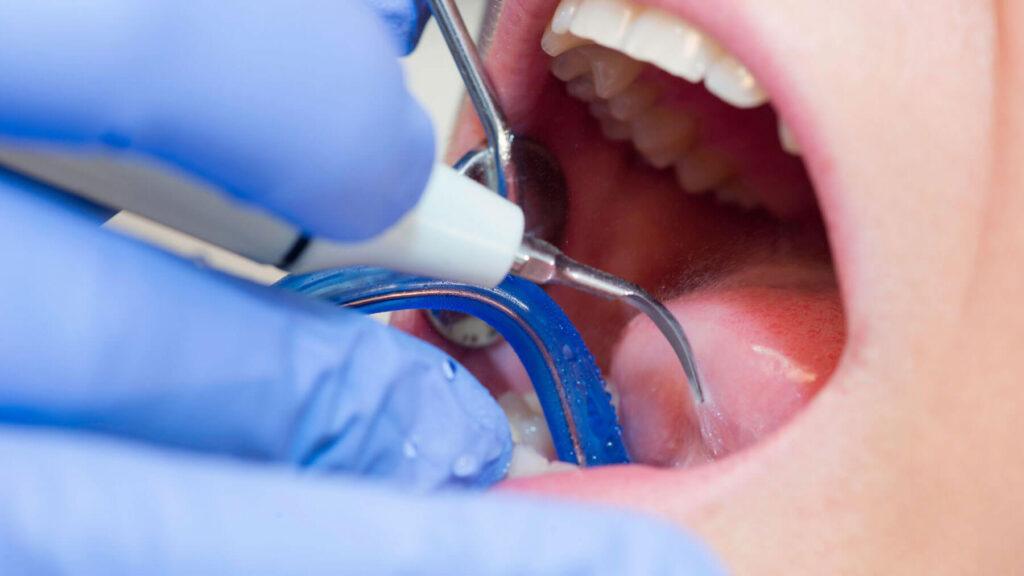
🪥What Is a Crown on a Tooth: How Do You Care ?
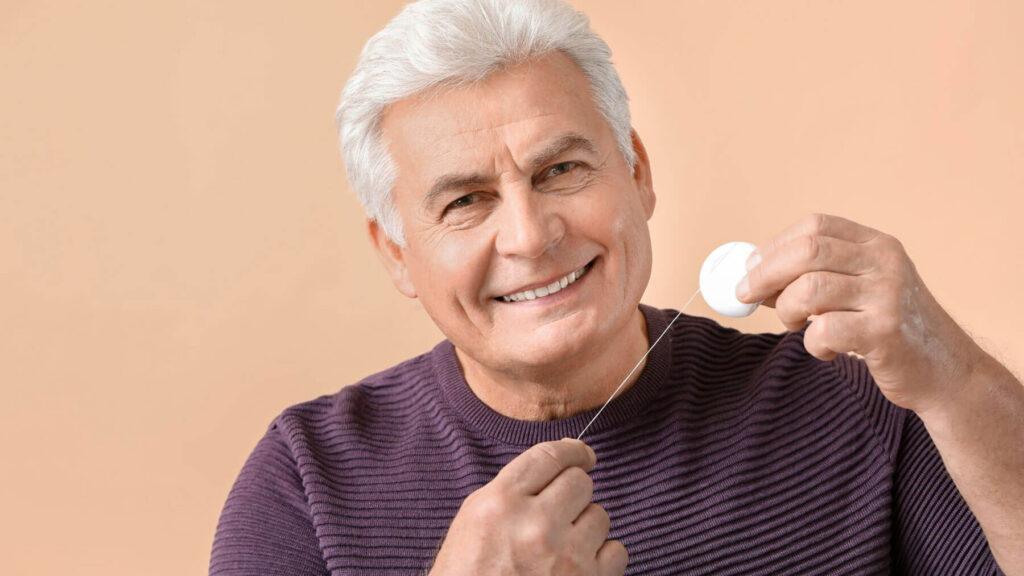
Crown care is simple, but consistency matters. To start, brush twice a day with fluoride toothpaste so plaque doesn’t build up along the gumline. Then floss once daily—especially around the crown edges—because that’s where food and bacteria like to hide. Also, avoid chewing hard objects like ice or popcorn kernels, since extra pressure can chip the crown or loosen the cement. If you grind or clench at night, use a nightguard to reduce wear and protect your bite. Finally, keep regular dental checkups so your dentist can catch small issues early.
Most importantly, if your crown ever feels loose, don’t wait—call your dentist right away so the tooth stays protected.
If you’re still wondering what is a crown on a tooth for your specific case, schedule a visit at Smiles for Health DDS. We’ll evaluate the tooth, explain your options clearly, and help you choose the best long-term solution.
Frequently Asked Questions
When is this full-coverage cap better than a filling?
If the tooth is cracked, weak, or has a very large filling, full coverage is usually safer than adding more composite.
Why is a cap often recommended after a root canal?
After a root canal, the tooth can become more brittle. Full coverage helps prevent fractures during chewing.
What materials are used for these restorations?
Common options include porcelain, ceramic, zirconia, E.max, PFM, and metal alloys. The right choice depends on bite forces and tooth location.
How long do they usually last?
Many last 10–15 years. With good hygiene and healthier habits, they can last longer.
Can it come loose or fall off?
Yes. Cement can wear down, or decay can develop underneath. Save the piece and call your dentist promptly.
Can I whiten it?
No. These restorations don’t respond to whitening gels. If shade is the issue, replacement may be the best fix
Do they stain like natural teeth?
Porcelain resists stains better than enamel. Still, smoking and dark drinks can dull surfaces over time.
How can I protect it if I grind my teeth?
A nightguard reduces pressure, protects the bite, and helps extend the life of the restoration.
How do I know it may need replacement?
Watch for looseness, pain with biting, gum irritation, or a dark edge near the gumline. A dentist can confirm with an exam and X-rays.
How do you care for a crown to make it last longer?
Good brushing, flossing, and regular dental checkups will extend the life of your crown significantly.