
Invisalign treatment has gained immense popularity as an effective teeth-straightening solution that offers a discreet and convenient alternative to traditional braces. If you’re curious about how Invisalign aligners work, the science comes down to digital planning, custom engineering, and controlled forces. Understanding the science behind Invisalign aligners can provide valuable insights into how this innovative orthodontic treatment achieves a beautifully aligned smile. In this blog post, we’ll delve into the science that powers Invisalign aligners and makes them an attractive choice for many seeking orthodontic improvements. ✨
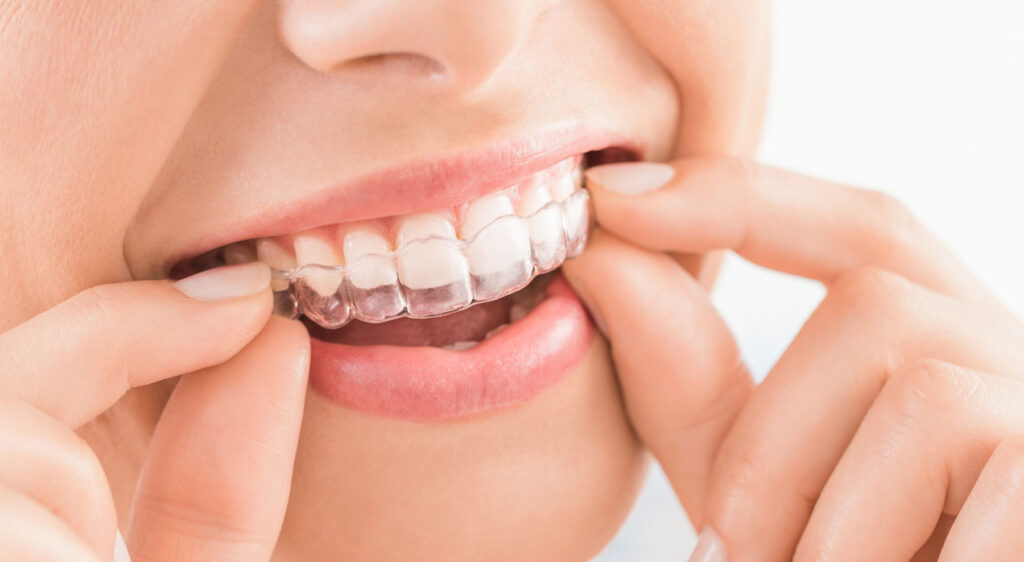
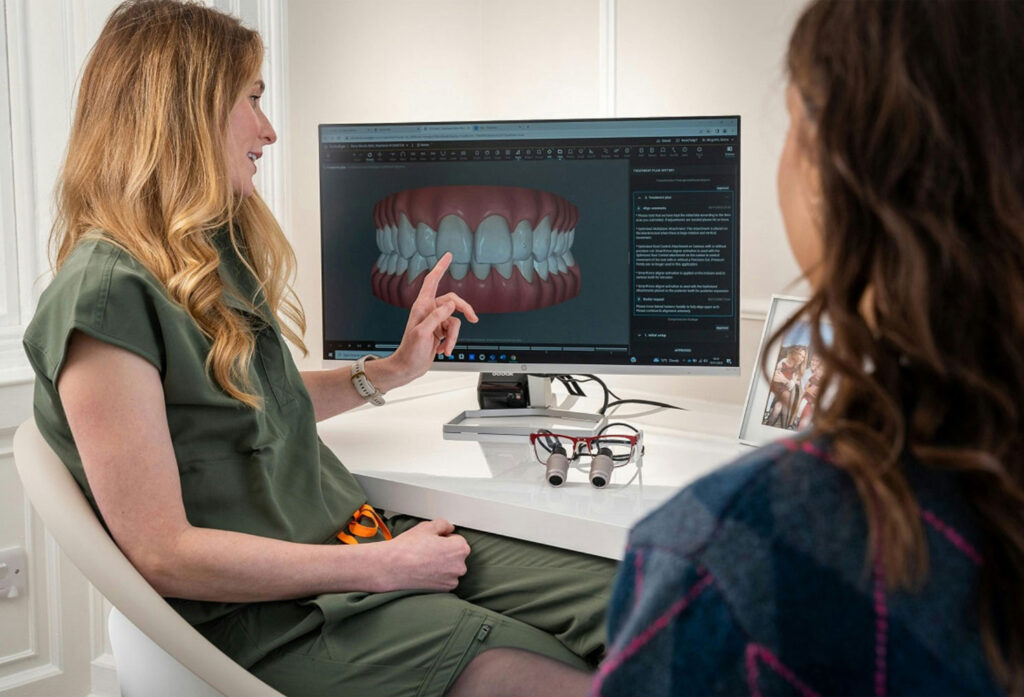
1. Digital Impressions and Invisalign Treatment Planning (How Invisalign Aligners Work) 📲
The journey with Invisalign begins with a 3D digital scan or impression of your teeth. Your provider uses advanced computer imaging to build a precise virtual model of your smile. As a result, they can map each movement step-by-step and design your Invisalign path with more accuracy.
2. Customized Aligner Fabrication (How Clear Aligners Work) 🧩
Using your digital model, a series of custom-made aligners are created for your teeth. Each aligner differs slightly, and each one targets specific movements over time. Therefore, the progression stays measured and intentional, helping you move toward your goal smile in planned stages.
3. SmartTrack® Material (Comfort + Control) 🧪
Invisalign aligners use SmartTrack® material, which is designed to fit snugly and deliver gentle, consistent force. Because of that, many patients experience a more comfortable fit and more predictable movement from tray to tray.
4. Principles of Orthodontic Movement (How Invisalign Aligners Work in Real Life) 🦷
Invisalign aligners rely on orthodontic movement principles to guide your teeth into better positions. The aligners apply pressure to specific teeth so they can shift, rotate, or tilt as needed. In other words, each set “nudges” selected teeth according to your plan, and the sequence builds your results over time.

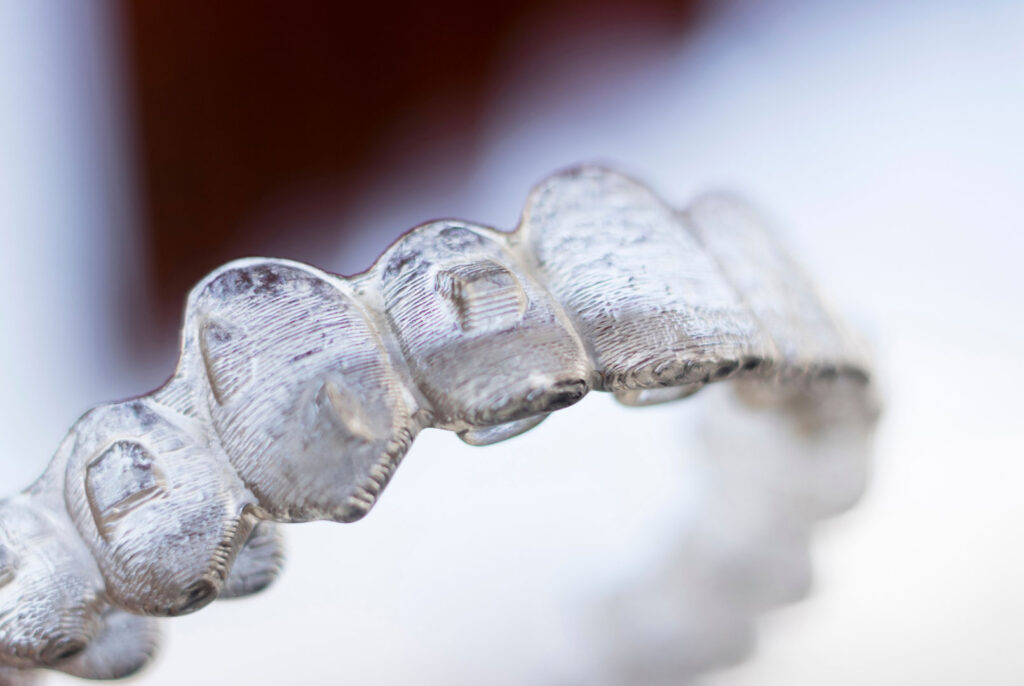
5. Attachments and Precision Cuts (Extra Support When Needed) 🎯
Some cases need attachments—small, tooth-colored bumps placed on certain teeth. These help the aligners grip more effectively so they can perform more detailed movements. In addition, precision cuts can create space or add flexibility in areas that need extra control.
6. Biomechanical Forces (The Biology Behind the Movement) ⚙️
Invisalign works because controlled forces encourage your bone and supporting tissues to remodel as teeth change position. As a result, your provider can guide movement in specific directions and keep progress efficient and precise throughout the treatment.
7. Monitoring Progress and Adjustments (Stay on Track) ✅
Regular check-ups allow your provider to monitor progress and keep your plan on track. If needed, they adjust your approach by updating attachments, refining aligners, or modifying your stages. That way, you stay aligned with the best path to your final result.
8. Duration and Compliance (Wear Time Matters) ⏱️
Invisalign duration varies by case, and your daily habits matter. Most patients wear aligners about 20–22 hours per day, removing them only to eat, drink anything besides water, and clean teeth. Consequently, consistent wear helps your plan progress on schedule and supports predictable results.
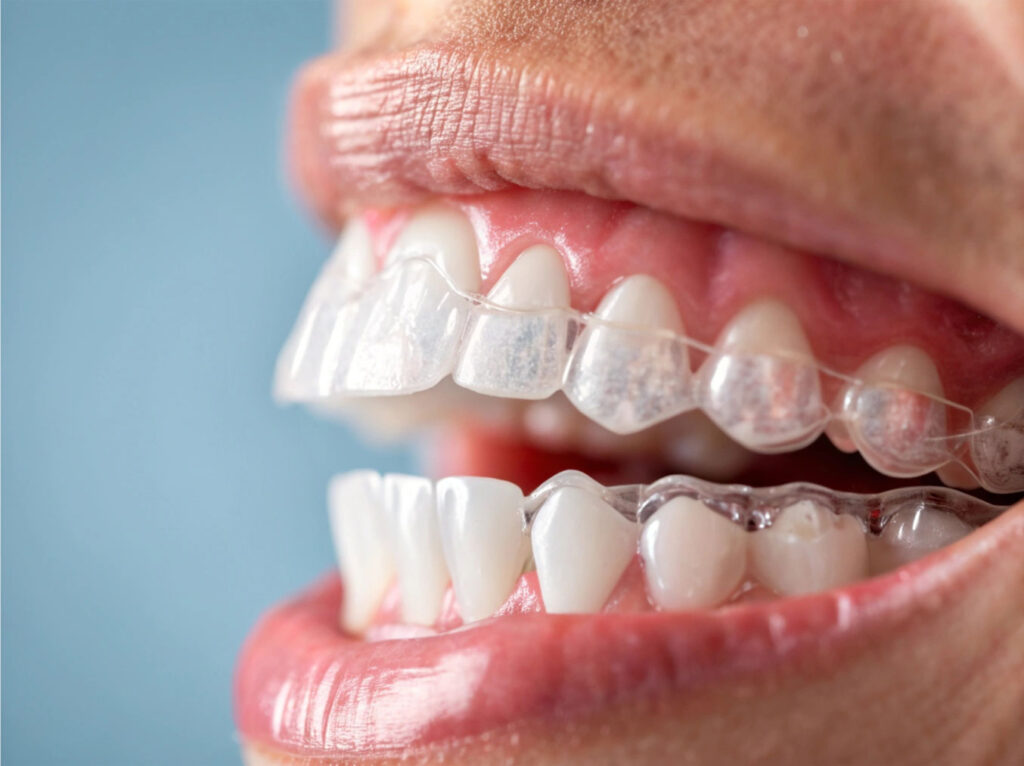
Invisalign aligners are a blend of advanced technology, material science, and orthodontic principles. Now that you understand how Invisalign aligners work, you can see why planning and consistency matter so much. If you’re considering orthodontic treatment, Invisalign provides an innovative and effective solution, offering not just a straighter smile but a more comfortable and convenient journey toward improved dental aesthetics and function.
Ready to uncover the science behind your perfect smile? Dive into the details and begin your Invisalign journey today.