
Did you know that if you leave gum disease (or periodontal disease) untreated, it can lead to tooth loss and jawbone deterioration? Gum disease prevention isn’t just about your smile—your gums can also affect your overall wellness. Loose teeth and oral pain can contribute to poor nutrition, and serious infections can even trigger a dangerous immune response called sepsis.
Here is a brief overview of what gum disease is and how you can prevent it.
🧩 How Gum Disease Develops
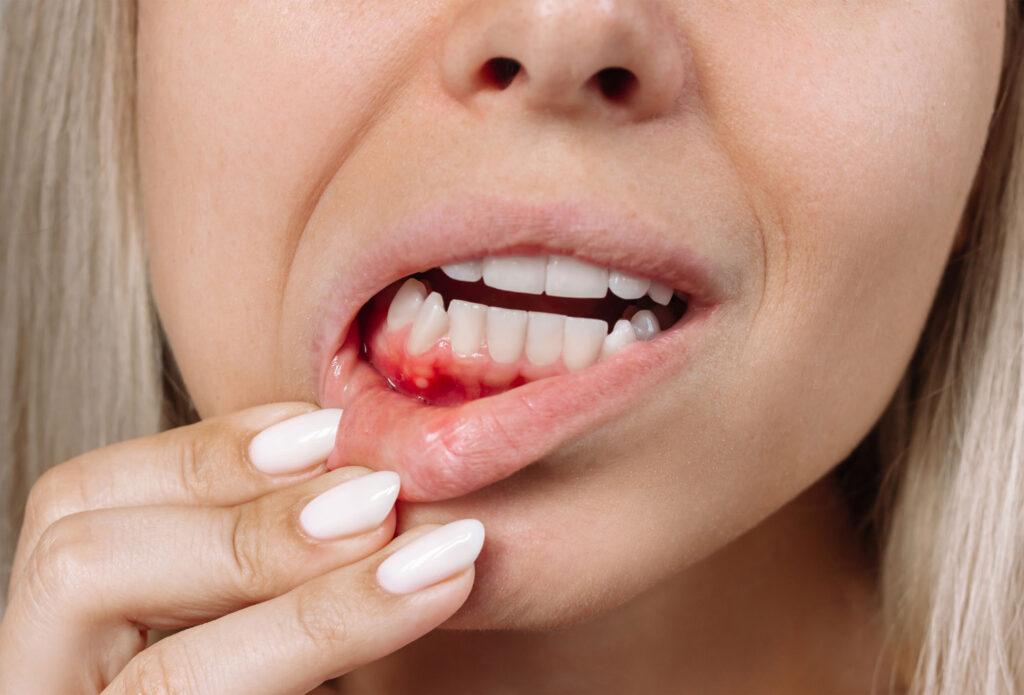
Gum disease develops when plaque, a sticky, bacteria-filled film, builds up on your teeth and around your gumline. If you’ve ever brushed your tongue across your teeth and felt an unpleasant fuzzy coating, that feeling is plaque. Plaque feeds on sugars from the food and drinks you consume and then produces acidic byproducts that irritate your gums and thin your enamel.
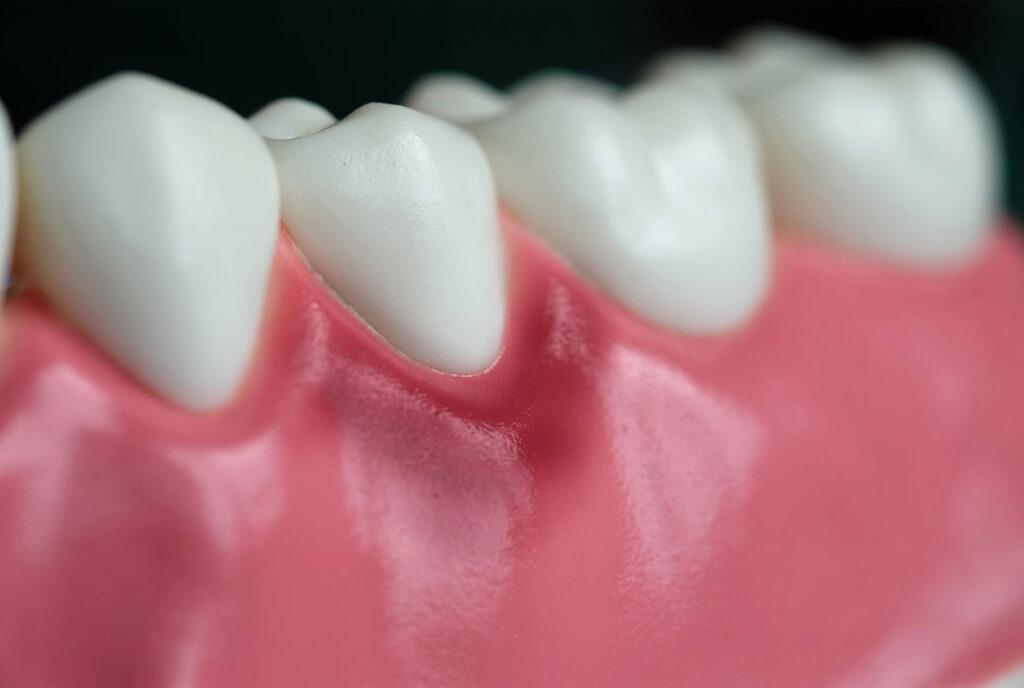
Early gum disease, called gingivitis, is often reversible with better oral health habits and professional cleanings. However, when irritated gums become infected and you don’t treat the problem, the tissues that hold your teeth in place can start to weaken.
Advanced gum disease, called periodontitis, affects the support structures around your teeth. At that point, you may need more intensive treatment to eliminate infection and stabilize your oral tissues.
🪥 Daily Habits for Gum Disease Prevention
You can use simple, consistent habits to support gum disease prevention, keep your natural teeth, and promote strong gums:
- Brush your teeth in the morning and at night every day for two minutes each time.
- Floss at least once a day to remove plaque and food between teeth and under the gumline.
- Use a soft-bristled toothbrush and a fluoride toothpaste.
- Visit Smiles for Health for routine dental cleanings and any necessary treatment, ideally every six months.
These basic steps remove plaque before it hardens into tartar and reduces the chance that gingivitis progresses into periodontitis.

🥤 Lifestyle Changes That Support Healthier Gums
In addition to brushing and flossing, certain lifestyle choices make a big difference in gum disease prevention:
- Give up tobacco if you smoke or chew it. Tobacco use increases the risk and severity of gum disease and slows healing.
- Limit sugary foods and drinks so bacteria have less fuel to create acids and plaque.
- Drink plenty of water throughout the day to help wash away food debris and keep your mouth hydrated.
- Choose a balanced diet rich in fruits, vegetables, lean proteins, and whole grains to support your immune system and tissue health.
Small daily changes can significantly improve your gum health over time.

👀 When to See a Dentist About Your Gums
Even with good home care, you still need regular professional checkups to catch issues early. Schedule a visit with your dentist if you notice:
- Red, swollen, or tender gums
- Bleeding when you brush or floss
- Persistent bad breath or a bad taste in your mouth
- Gums pulling away from the teeth (recession)
- Loose teeth or changes in how your bite feels
Your dental team can evaluate your gums, measure pocket depths around the teeth, and recommend the right level of care—ranging from improved home hygiene and cleanings to deeper periodontal therapy if needed.
📍 Smiles for Health: Helping You Stay Ahead of Gum Disease
Gum disease prevention protects more than your smile—it supports your comfort, confidence, and overall health. Don’t wait for pain or loose teeth to act.
Give us a call today so we can help you with your oral care and ease any dental anxiety you may have. Come to Smiles for Health so we can assess your gums, customize a gum disease prevention plan, and help you stay ahead of future problems. Also, ask us about our professional teeth whitening services to brighten your healthy smile.