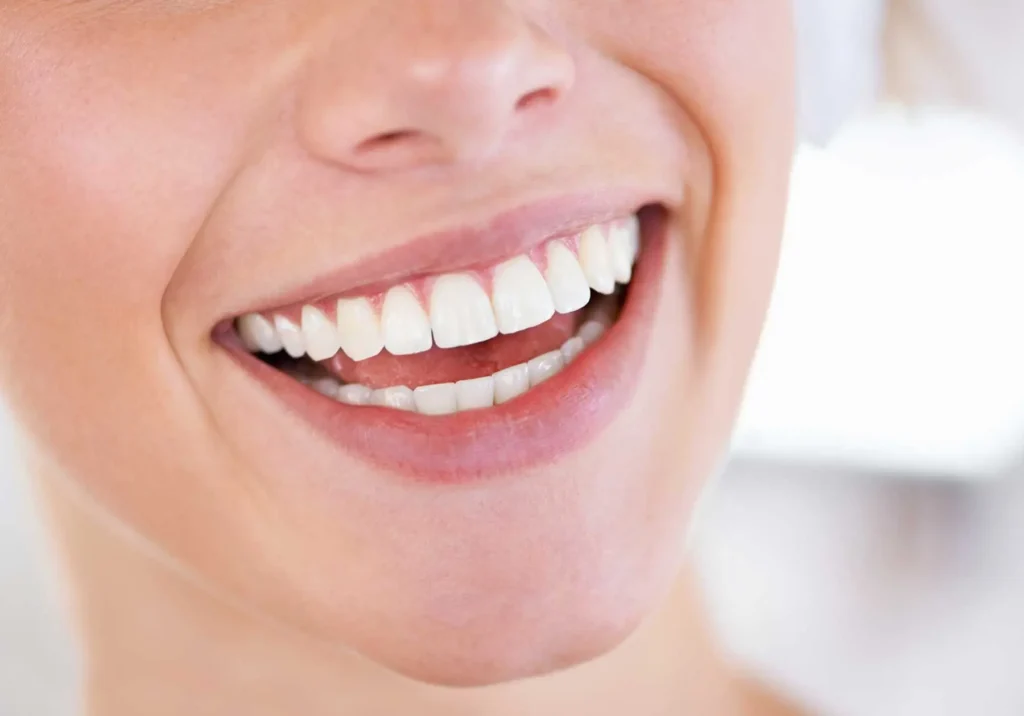
When people ask “are gaps in your teeth bad?”, the real question is usually why the space exists and whether it affects your health. Some gaps stay stable and cause zero issues. Others raise dental gap risks like food trapping, gum irritation, or bite strain. At Smiles for Health DDS, we look at the cause first, then decide if your problems with spaced teeth are cosmetic—or something your mouth will “pay for” over time.

🧩 Are Gaps in Your Teeth Bad? What Causes Gaps Between Teeth?
Spaces between teeth (diastemas) can happen for several reasons. Common causes include:
- Natural spacing and tooth size: If your jaw has more room than your teeth fill, gaps appear. Smaller teeth (like “peg laterals”) often create spacing in the front.
- Missing teeth: When a tooth never developed—or you lost one—nearby teeth can drift and widen spaces over time.
- Large labial frenum: A thick band of tissue between your upper lip and gum can keep the front teeth from closing.
- Thumb sucking or pacifier use: Long-lasting childhood habits can push teeth forward and create spacing.
- Tongue thrust: A forward tongue push during swallowing can slowly separate teeth.
- Gum disease (periodontal disease): Bone support can shrink and teeth can shift, creating new spaces—this is one of the most important dental gap risks to rule out.
- Swallowing pattern issues: Some bite and muscle patterns place pressure on front teeth and open gaps.

🦷 Are Gaps in Your Teeth Bad for Your Dental Health?
Sometimes yes—sometimes no. A small, stable gap can be harmless. But when spacing leads to trapped food, plaque buildup, or bite changes, are gaps in your teeth bad becomes a very real concern.
🍽️ Are Gaps in Your Teeth Bad for Food Traps and “Hidden Plaque”?
Gaps create easy places for food to pack in. That makes plaque stick longer, especially if flossing is inconsistent or the gap shape is hard to clean.
🦠 Higher Cavity Risk in the Contact Areas
When plaque hangs around the sides of teeth near a space, decay can start there. Those cavities often “hide” until they get bigger.
🪥 Gum Irritation and Gum Disease Risk
Food + plaque near the gumline can inflame gums (gingivitis). If this progresses, bone support drops and spacing can worsen—one reason problems with spaced teeth can snowball.
😬 Are Gaps in Your Teeth Bad for Bite Stress and Uneven Wear?
Some gaps change how teeth meet. That can overload certain teeth, chip edges, or trigger jaw tension.

🔍 Are Gaps in Your Teeth Bad for Cavities or Gum Disease Risk?
They can—mainly because they make hygiene harder in specific spots.
🧼 Are Gaps in Your Teeth Bad Because Cleaning Gets Tougher?
A toothbrush often skips the sides facing the gap. If flossing isn’t consistent (or the gap traps food), plaque builds faster.
🧯 Are Gaps in Your Teeth Bad—What Helps Most?
- daily flossing (or interdental brushes for wider spaces)
- water flosser support if food packs easily
- regular cleanings to remove plaque in tough zones
If your main worry is decay or gum issues, a personalized cleaning plan usually helps more than guessing at home.
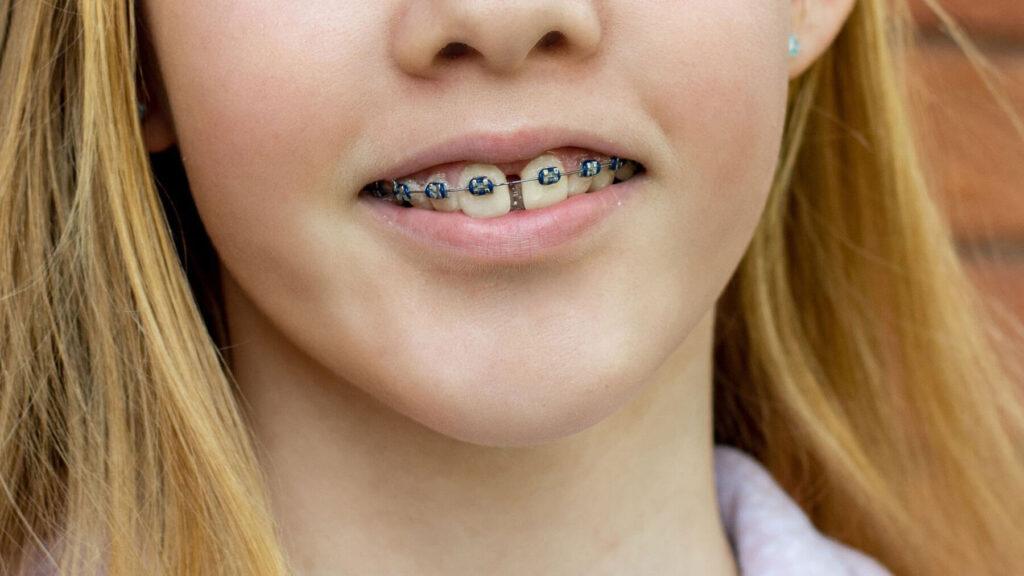
😁 Are Gaps in Your Teeth Bad Enough to Close With Braces or Aligners?
If spacing affects function, closing it often protects your mouth long-term. In other words, treatment isn’t only cosmetic—it can also reduce future issues.
🧠 Consider closure if you notice:
For example, your bite feels “off” or chewing feels uneven
Plus, you get repeated food packing and gum irritation
In addition, you notice speech changes (whistling/lisping)
Meanwhile, teeth are shifting or spaces keep widening
As a result, you see wear, chipping, or jaw discomfort
When spacing causes real dental gap risks, orthodontic movement can improve both appearance and function. Therefore, it’s often the most stable long-term fix.
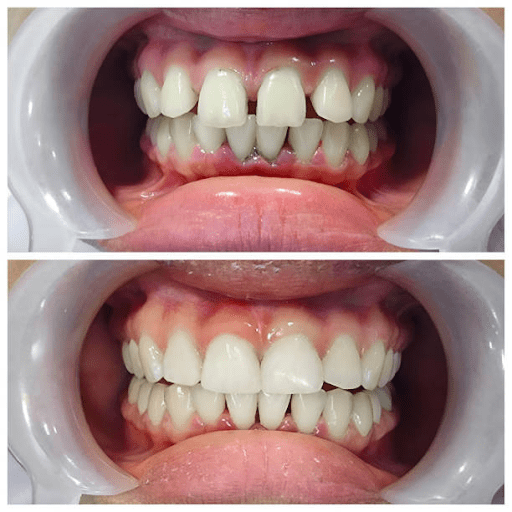
✨ Can Tooth Gaps Be Part of a Healthy Smile?
Yes. However, “Are gaps in your teeth bad?” isn’t automatically “yes.” That said, it depends on stability, hygiene, and bite.
✅ Harmless gaps usually look like:
In most cases, they’re small and stable over time
Also, they’re easy to keep clean
As a result, there’s no gum bleeding around the space
Moreover, there’s no bite strain or soreness
If your gap is stable and you like it, you may only need monitoring and routine care. In other words, you can focus on prevention instead of changing your smile.
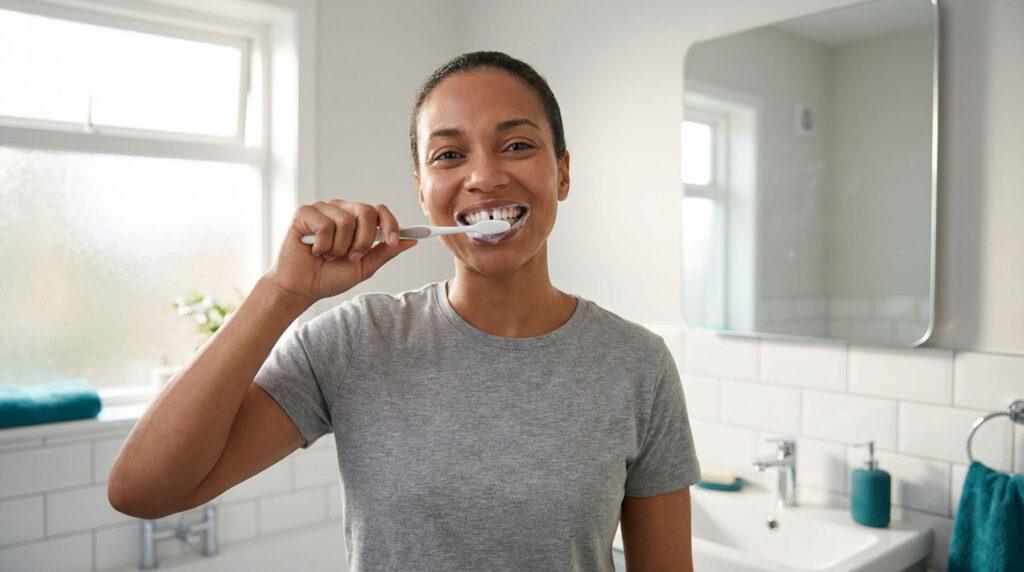
🛠️ Options to Fix Gapped Teeth (What Actually Works)
The best option depends on the cause, the size of the gap, and your bite. Therefore, the right plan is the one that matches what’s driving the spacing.
🧷 Clear aligners or braces
Best for multiple gaps, shifting, or bite issues—and, it also helps prevent relapse when teeth drift.
🎨 Dental bonding
Great for small-to-medium front gaps when tooth shape allows it (for example, fast and conservative).
🧩 Veneers
Strong cosmetic option especially if you also want changes in shape or color.
🦿 Implants or bridges (if a tooth is missing)
If spacing comes from a missing tooth, replacing it often stabilizes the whole bite; as a result, teeth are less likely to drift.
✂️ Frenectomy (in select cases)
If a strong frenum holds the front teeth apart, a simple soft-tissue procedure may help—however, it’s often paired with orthodontics for the most predictable result.
If you’re wondering are gaps in your teeth bad in your specific case, schedule an exam at Smiles for Health DDS in Carlsbad. We’ll check the cause, your gum health, and your bite—then walk you through clear options like prevention, bonding, or aligners.
Frequently Asked Questions
What does a tooth gap mean?
It can be natural spacing, tooth-size differences, or shifting teeth—an exam shows the real cause.
Can tooth gaps trap food and cause bad breath?
Yes. Packed food feeds bacteria, so cleaning tools (floss/interdental brush) matter.
Do gaps automatically cause cavities?
Not automatically—but they can raise risk if plaque stays near the space.
Why are new gaps showing up with gum disease?
When bone support drops, teeth can drift; therefore, spacing can increase.
Will braces or aligners fix spacing long-term?
Often yes—especially with retainers after treatment to prevent relapse.
Is bonding a good fix for a front-tooth gap?
For many small gaps, yes—it’s quick, natural-looking, and conservative.
When should I see a dentist about tooth spacing?
Go in if gaps widen, gums bleed, food packs often, or your bite feels different.