
Orthodontic retainers are an essential part of treatment—whether you had braces or Invisalign. And although finishing aligners or brackets feels like the “end,” in reality, retainers help protect the result. That’s why this guide breaks down what retainers do, the most common types, and how to choose the best fit for your lifestyle. ✅
🧩 What Are Orthodontic Retainers?
Orthodontic retainers are dental appliances made of metal, plastic, or a combination of both. In addition, they’re custom-made to match your teeth. Their role is straightforward: hold your teeth in their new position after orthodontic treatment.
In other words, retainers help prevent teeth from drifting back over time.
🌟 Benefits Of Orthodontic Retainers
Retainers offer several long-term benefits, especially when you use them consistently:
- Preventing Teeth Movement: They help stop teeth from shifting after treatment.
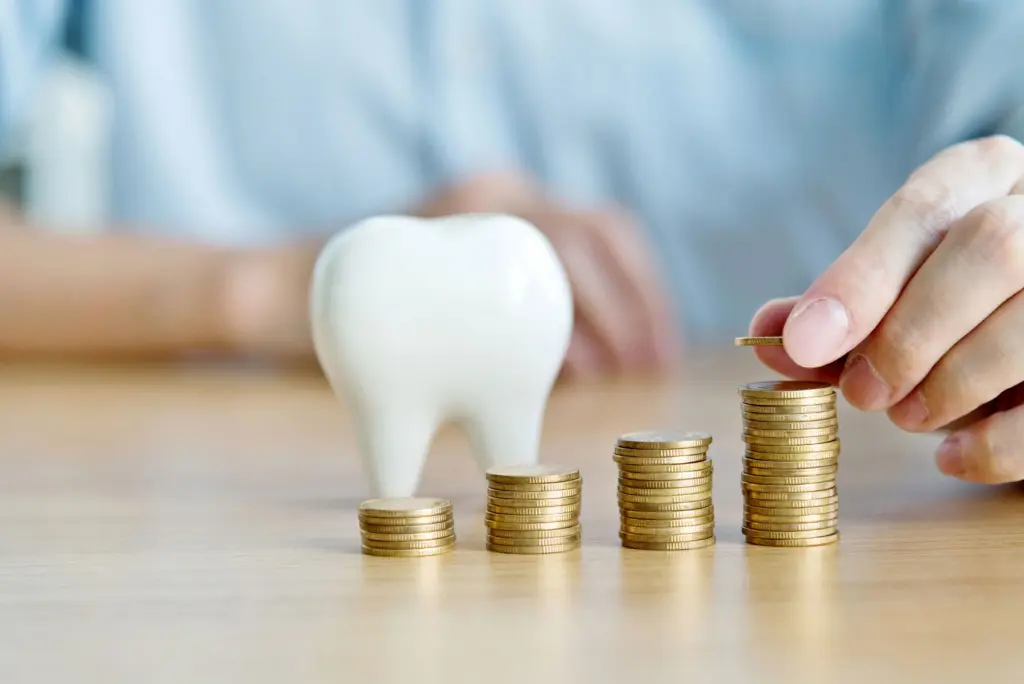
- Protecting Your Investment: Orthodontic care can be expensive; therefore, retainers help protect that investment.
- Maintaining Good Oral Health: Straight teeth are easier to clean. As a result, it’s often easier to maintain healthier daily habits. 🪥
🦷 Types Of Orthodontic Retainers: Pros And Cons
There are different types of retainers. However, each one comes with its own trade-offs.
🧷 Hawley Retainers
Made with metal wire and acrylic. They’re removable and very durable.
Pros: Long-lasting and adjustable.
Cons: More visible and can feel bulky at first.
🫥 Clear Retainers
Clear plastic, custom-made to fit your teeth.
Pros: Nearly invisible and often more comfortable.
Cons: Less durable and may crack more easily.
🔒 Fixed Retainers
Bonded behind your teeth and not removable.
Pros: Very effective for maintaining alignment.
Cons: Harder to clean around and may feel irritating initially.
✨ Essix Retainers
Clear plastic retainers similar to Invisalign-style aligners.
Pros: Discreet and comfortable for many patients.
Cons: Less durable than Hawley and can wear down over time.
✅ Which Orthodontic Retainers Should You Choose?
The best retainer depends on your needs and preferences. For example:
- Visibility: If you want something discreet, clear or Essix retainers may be best.
- Comfort: Clear/Essix often feel smoother; meanwhile, fixed retainers can take time to get used to.
- Durability: Hawley retainers tend to last the longest.
- Cost: Prices vary by type and material, so it’s worth comparing options.
Ultimately, your dentist should evaluate your bite, habits (like grinding), and your treatment outcome before recommending the best choice. 👍Want help choosing the right orthodontic retainer—or replacing one you lost or cracked? Smiles For Health can guide you with a clear plan.