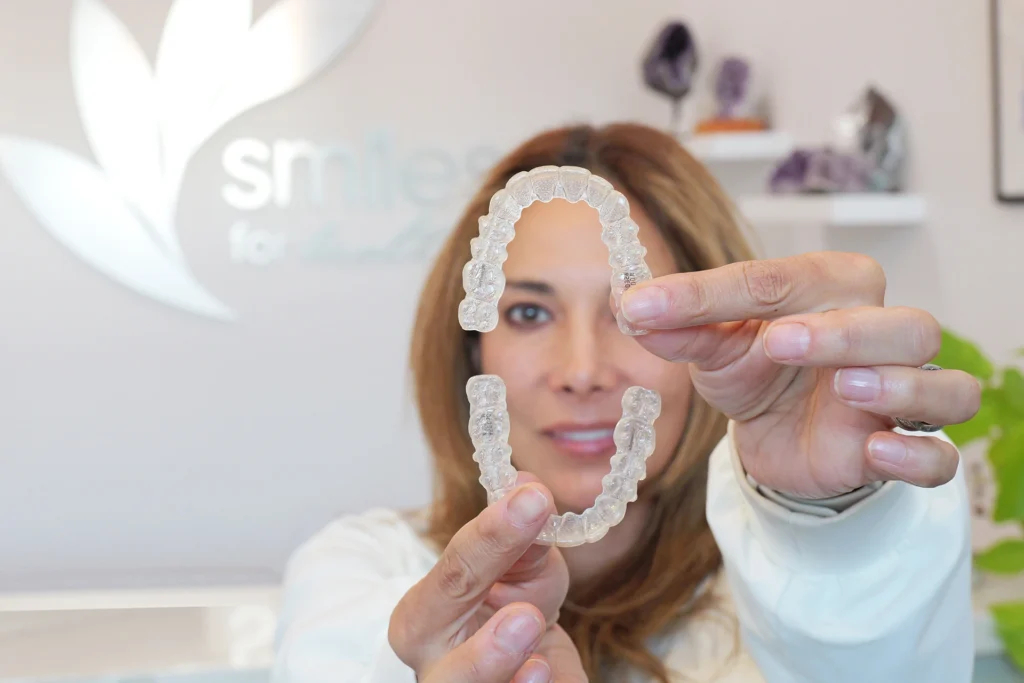
Traveling With Dental Treatment: What Matters Most Before You Leave
If you are traveling with ongoing dental treatment, a quick checkup before your trip can help you avoid discomfort and unexpected issues. An adjustment that is still pending, an aligner that does not fit well, or a tooth that was already bothering you can feel worse when you are away from home.
A checkup before your trip is often a good idea because many small issues can become more uncomfortable during travel or while you are on vacation.
At Smiles For Health, we often see that dental visits before a trip bring more peace of mind. They help you avoid surprises and make sure your smile is ready for that change in routine.
That is why, if you have braces, aligners, a recent restoration, or any active treatment, a visit can help you understand what may need attention, what to bring with you, and which signs you should not ignore.
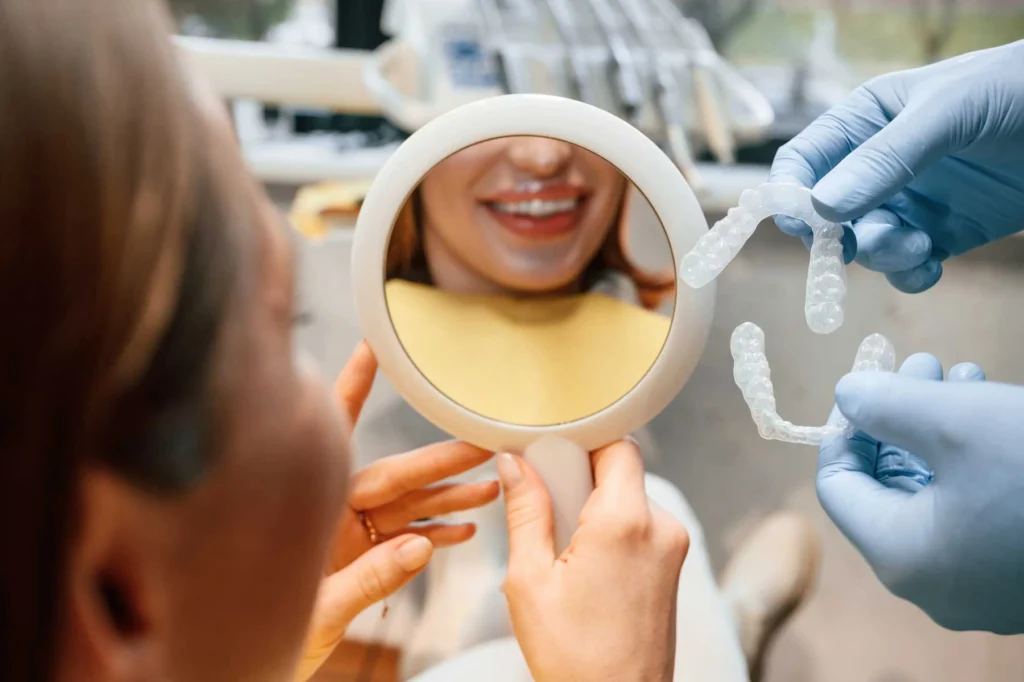
🗓️ Schedule a Checkup Before Your Traveling
Before you leave at vacation, it is best to schedule your dental visit about two to four weeks ahead of time. This gives you room in case something needs to be adjusted or a small issue needs to be resolved before you are away.
During that visit, it helps to review:
- How long you will be away
- Access to dental care at your destination
- Any discomfort with aligners, wires, or restorations
- Any sensitivity or pending adjustments
If your treatment includes orthodontics, such as braces or aligners, it is also important not to skip follow-up visits. The NHS explains that missing appointments can make treatment take longer, and the AAO reminds patients that if something feels off, it is better to call before the problem gets worse.
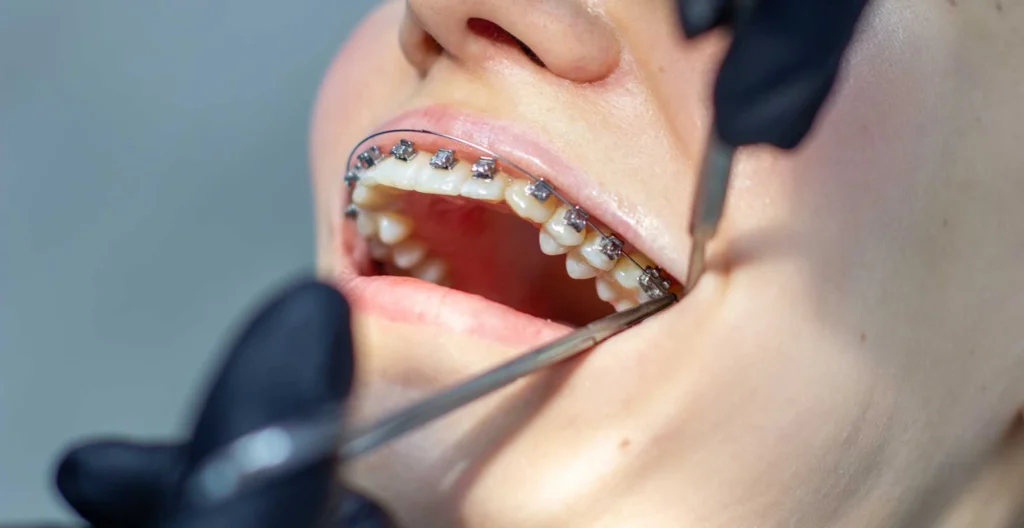
🎒 Pack a Simple Travel Kit for Ongoing Dental Treatment
When it comes to traveling with ongoing dental treatment, a small travel kit can make a big difference. If you have braces, it helps to bring orthodontic wax. You can also create your own small orthodontic toolkit with simple items for minor discomfort.
A useful kit may include:
- A travel toothbrush and toothpaste.
- Floss or floss picks.
- Orthodontic wax.
- A case for aligners or retainers.
- Your usual pain reliever, if your doctor or dentist approves it.
- A small mirror.
- Your dental office contact information and a recent photo of your smile or appliance, just in case.
If you use clear aligners, remember that you can remove them to eat, brush, and floss. That is exactly why traveling with a case and keeping up with your hygiene routine is so important.
Read more here
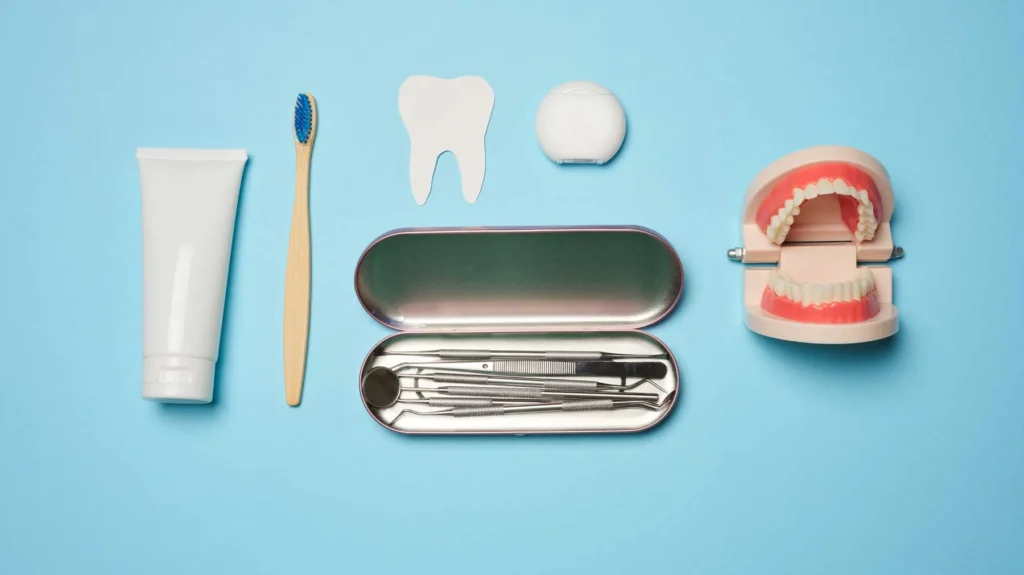
🍽️ Watch What You Eat and Do Not Ignore Your Routine
Even while traveling with dental treatment, try to keep your routine simple: brush twice a day, floss, and stay hydrated
If you have braces, avoid hard, sticky, or very chewy foods because they can bend wires or loosen brackets. Also, avoid using your teeth as tools or biting hard objects. Other tips that may help include:
- Drinking water often.
- Rinsing with water if you cannot brush right away.
- Choosing softer, healthier snacks for your teeth.
- Bringing sugar-free gum, as long as it does not interfere with your treatment.

🚨 What to Do If Something Feels Wrong While You Are Traveling with Ongoing Dental Treatment
Not every problem is an emergency. Some issues feel uncomfortable, but they can usually wait a few days while you contact your orthodontist and follow their instructions.
Seek immediate care if you have:
- Heavy bleeding.
- Trouble breathing or swallowing.
- Major facial trauma.
- A permanent tooth that has been knocked out or moved out of place.
You can usually wait if you have:
- A loose bracket.
- A poking wire.
- A lost aligner.
In most of these cases, the best next step is to call your orthodontist, explain what happened, and follow the guidance they give you until you can be seen.

🌿 Travel With More Calm, Not More Questions
At Smiles For Health, we believe travel should feel calm, just like your experience in our office. That is why, if you are in the middle of treatment, we like to help you leave with a clear plan: what to check before your trip, what to bring with you, and what to do if something changes while you are away. That preparation is not complicated. It is useful, and we can plan it with clarity and calm together.
If you are getting ready to travel with braces, aligners, or any ongoing dental procedure, schedule a checkup before your trip. Sometimes, the best step before takeoff is not packing more things, but making sure your smile is ready to travel with you too.
Frequently Asked Questions
How do clear aligners work to move teeth gradually?
Clear aligners apply gentle pressure in small stages, so teeth move little by little over time. If you want to understand how this may work for your smile, a consultation can help clarify your next step.
How does a clear teeth straightening system work?
Treatment usually starts with a digital scan, followed by a custom plan and a series of aligners changed every 1–2 weeks. At Smiles For Health, we can walk you through that process with clarity and care.
What types of dental issues can clear orthodontic trays correct?
Clear aligners may help with crowding, spacing, and some bite issues, depending on the case. A consultation is the best way to see whether your smile is a good fit.
How do I know if I am a good candidate for clear aligners?
Good candidates often have mild to moderate alignment issues and can wear aligners consistently each day. If you are unsure, we can help you understand what makes the most sense for your smile.
Are clear aligners effective for severe crowding?
They can help in many cases, but severe crowding may need a different kind of treatment. That is why a professional evaluation matters before deciding.
What is the typical treatment time using clear aligners for mild crowding?
Mild crowding may improve in a shorter time, but every treatment plan is different. A personalized consultation can give you a clearer idea of what to expect.
How long does treatment with transparent aligners typically last?
Treatment often lasts several months, though timing depends on your bite, goals, and daily wear. In our office, we can help you understand the timeline based on your case.
What are the steps to begin clear aligner therapy?
The first step is usually an exam and digital scan, followed by treatment planning and aligner delivery, if you are exploring this option, scheduling a consultation can help you get started with more confidence.