The power of nutrition begins in your mouth
The power of nutrition for oral health goes far beyond a single meal.What you eat every day can shape how your mouth feels, responds, and stays healthy over time.
It also shapes the environment that supports your smile every day. Your mouth is home to billions of microorganisms, and when that ecosystem stays in balance, it can support both oral health and overall wellness.
That is why, at Smiles For Health, we do not think in terms of “sterilizing” the mouth. We focus on creating a more stable, more supportive environment for a healthier smile over time.
🥗 Small habits that affect your oral health
That balance does not depend on one perfect product or a flawless routine. It grows from repeated daily habits: what you eat, what you drink, how you breathe, how you care for your mouth, and how consistent that care feels in real life. In addition, when a diet includes sugars and starches often, plaque bacteria can turn them into acids that affect enamel. As a result, nutrition for oral health also becomes part of the prevention conversation.
What to limit
- Frequent sugary foods and drinks
- Acidic habits repeated throughout the day
- Harsh or alcohol-based rinses that leave the mouth dry
- Brushing too aggressively
What may support more balance
- Probiotic-rich foods within a varied diet
- More consistent, less acidic hydration
- Sugar-free products, including xylitol-based options
- A gentler, more intentional brushing routine

💧 Saliva: A Silent Ally of Your Microbiome
Saliva also plays an important role in this equation. It helps keep the mouth moist, helps control bacteria and fungi, and protects teeth against decay.When saliva decreases, the mouth loses part of its natural defense, which can make it easier for imbalance and discomfort to appear
That is why, when the mouth feels dry often, the oral ecosystem has a harder time staying balanced. In other words, the power of nutrition works best when the oral environment can also support it.
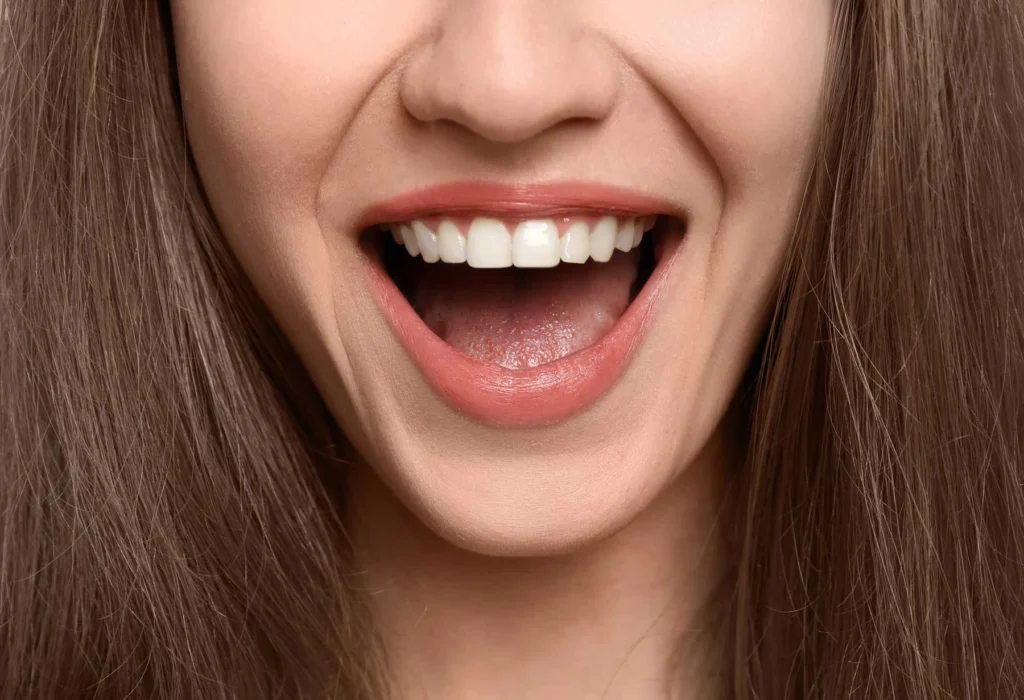
💨 Nutrition for Oral Health Also Supports Airway and Energy
A balanced microbiome needs the right environment to thrive. That is where breathing becomes part of the picture. How you breathe, especially at night, can influence sleep quality, moisture in the mouth, and the way your body recovers. When rest stops feeling restorative, many people also notice less energy, less focus, and a heavier sense of effort during the day.
That is why we pay attention to this chain:
- Compromised oral structure.
- More restricted airway.
- Poorer sleep quality.
- More systemic stress.
- Lower daily energy.
This is not only about whiter teeth or a more aesthetic smile. It is about understanding how the mouth participates in something broader: your rest, your energy, and your wellness. From our perspective, nutrition, breathing, and oral health do not live in separate worlds. They influence one another.

🧠 Advanced Diagnostics Support Nutrition for Oral Health
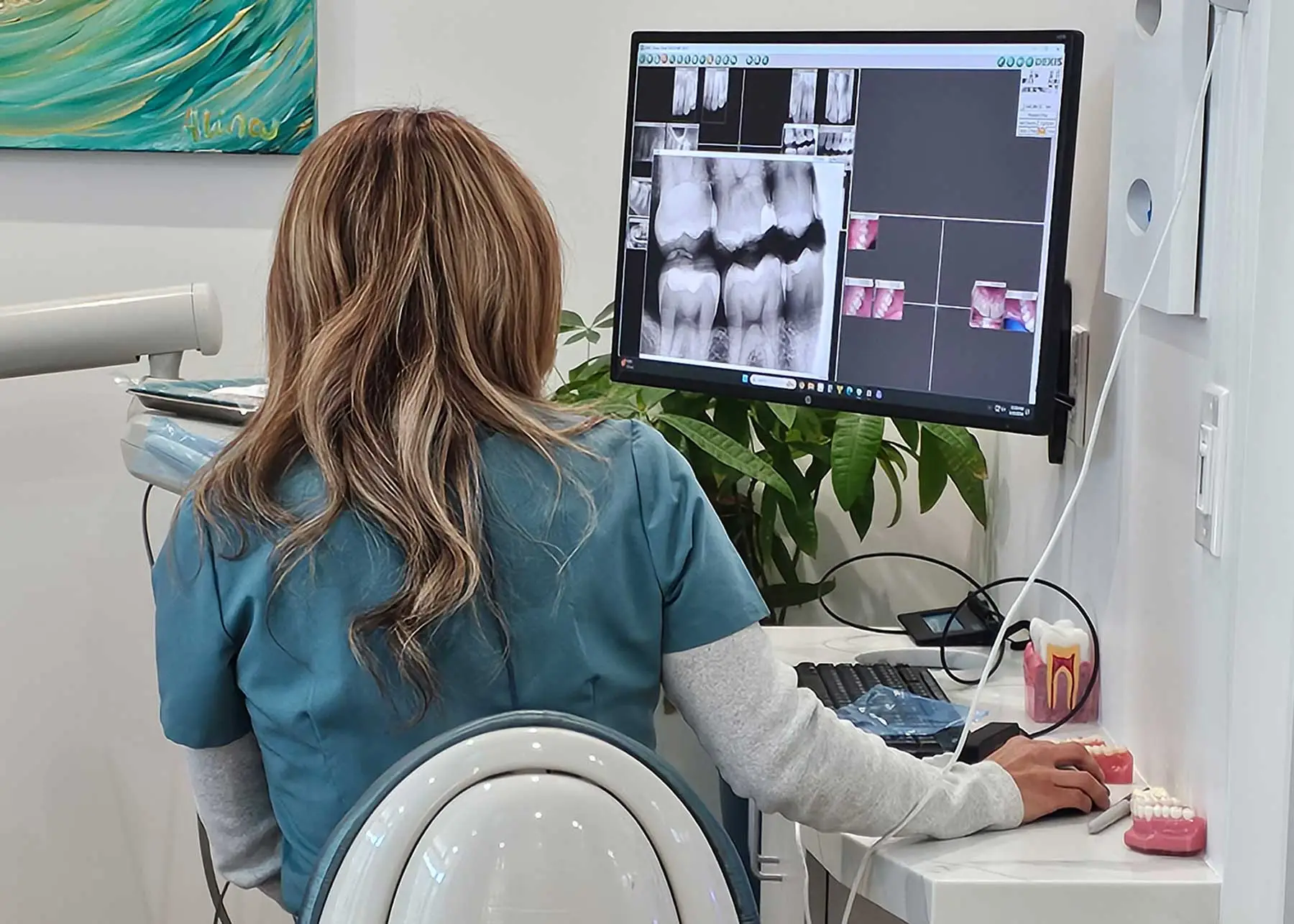
To better understand how these factors affect your smile, we also use advanced diagnostics. Symptoms are signs, but they do not always show the real cause. That is why we look beyond what is easy to see. At Smiles For Health, care begins with advanced digital tools that help us understand your smile more clearly and create a plan that fits you better.
We use 3D digital scanning to capture a detailed view of your teeth and bite. This helps us study alignment, structure, and function with more clarity. For a deeper view, we also use KaVo 3D imaging to look at the teeth, jawbone, and nearby structures, so treatment planning can feel more precise and more personal.
From there, care becomes more personal and easier to fit into real life:
- Customized guidance: we adjust home care, visit frequency, and treatment options to match your needs.
- Patient empowerment: we explain the reason behind each recommendation, so you can make clear and confident decisions.
- Prevention first: finding issues early can help reduce the need for bigger treatments later.
- Biocompatible options when appropriate: when it fits your case, we can talk about metal-free alternatives.
✨ Your smile is part of your future
When people talk about longevity, they often think about exercise, rest, or diet. We believe the mouth also belongs in that conversation. That is why our approach rests on three simple, meaningful pillars:
- Microbiome: oral health starts with more balanced bacteria.
- Airway: better breathing can support better sleep and steadier energy.
- Diagnostics: more informed decisions can help prevent future problems.
Understanding your habits is often the first step toward a healthier, more balanced smile. At Smiles For Health, we see nutrition as part of a more modern, human, and preventive dental experience. If you want to better understand how your diet, your microbiome, and your rest may be shaping your smile, we are here to guide you with clarity and care. Sometimes the next step is not doing more, but understanding more deeply what your mouth may already be telling you.
Frequently Asked Questions
Can what you eat really affect your oral health?
Yes, what you eat directly affects your oral health can influence enamel, gums, saliva, and the balance of your oral microbiome. That is why small changes in your diet can also show up in your smile.
What foods help strengthen teeth the most?
Foods rich in calcium, phosphorus, and protein can support stronger teeth. In addition, crunchy fruits and vegetables help stimulate saliva, which also protects your mouth.
Does sugar affect only cavities, or can it affect gums too?
It affects more than many people think. When sugar shows up often, it can support acids, plaque, and gum inflammation. If you want to understand how this may be affecting your smile, we can guide you in consultation.
Which drinks can weaken enamel over time?
In many cases, frequency matters just as much as quantity. Sugary and acidic drinks, such as soda, citrus juices, and energy drinks, can affect enamel when they are consumed often.
Can dry mouth also be related to nutrition?
When the mouth feels dry often, the oral environment loses part of its natural protection. The way you stay hydrated, your eating habits, and certain foods can affect your saliva.
Do oral probiotics really help?
They may support a healthier oral microbiome in some cases, but they do not replace good hygiene or professional guidance. If this topic interests you, we can help you understand whether it makes sense for your smile.
Can small nutrition changes really support a healthier smile?
Yes, things like small changes, such as drinking more water, reducing frequent sugar, and choosing foods that support saliva, can make a meaningful difference over time. If you want clearer guidance, we can help you understand which habits may fit your smile best.
How do I know if my diet may be affecting my smile?
Sometimes it shows up through repeated cavities, sensitivity, dry mouth, or gum inflammation. If any of this feels familiar, an evaluation can help you see the connection more clearly.