



Why You Have Bad Breath Even Though Brush Every Day
If you’re wondering why you have bad breath even though you brush every day, we want you to know there is usually a reason behind it. In many cases, the cause is not easy to see. It may be related to the tongue, the gums, dry mouth, or plaque buildup between the teeth.
That is why, instead of brushing harder, it is often more helpful to understand what is happening in your mouth.

❓What causes bad breath? These are most common causes
In many cases, bad breath begins when certain areas of the mouth are not cleaned fully. Small particles can stay trapped between the teeth or near the gums, and over time this can lead to a buildup that affects the freshness of your breath.
Some common signs may include:
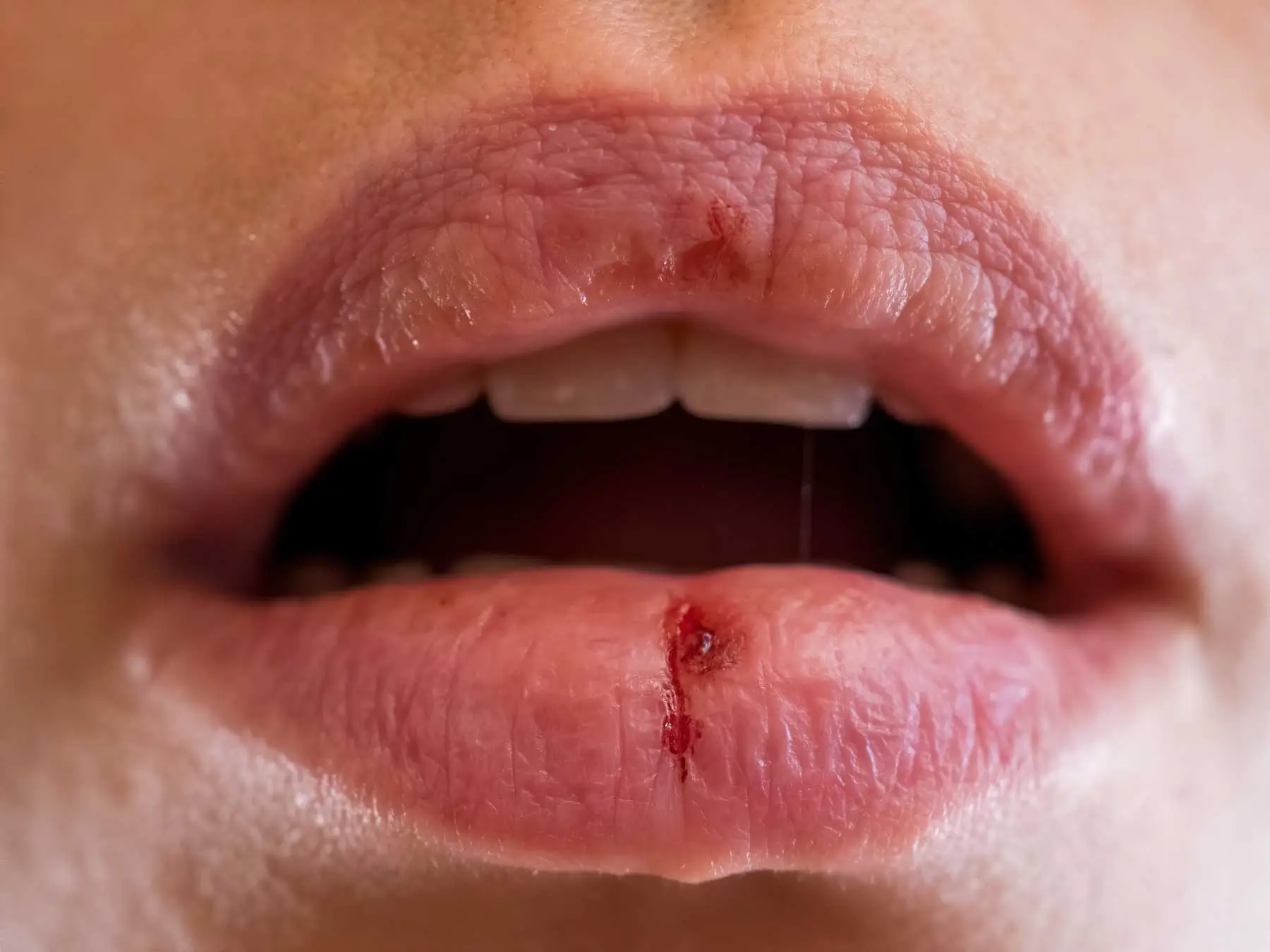
- Dry lips
- Feeling very thirsty
- Or redness in the gums
In addition, habits such as drinking coffee or alcohol often, as well as certain medications, can increase dry mouth and make bad breath appear more easily.
The National Institute of Dental and Craniofacial Research (NIH) offers more information here
😵Can Bad Breath Come From the Stomach?
Sometimes, even when your oral hygiene is consistent, bad breath can be linked to what is happening in your digestion. Some people also find support in probiotics for the mouth. Still, a medical and dental evaluation is often the best way to understand what may be going on.
At Smiles For Health, we are here to support you in that first step. We are here to listen, explain what we see with clarity, and help you understand your smile from a more human and caring perspective.

🪥What May Your Mouth Be Trying to Tell ?
Bad breath can also appear when your gums need more attention. If you have noticed bleeding, sensitivity, or a redder color than usual, it may be a sign of inflammation.
Dry mouth is another common cause. Saliva helps keep the mouth clean in a natural way, so when it becomes lower, bacteria can build up more easily and affect your breath.
If you notice white spots, a sore throat, or discomfort when swallowing, it could be related to tonsil stones. In addition, stress and anxiety can also create changes in your oral health.

🥴 Morning Bad Breath vs. Persistent Bad Breath
Morning bad breath is a normal process. During the night, saliva decreases and bacteria can build up more easily. That is why your breath often changes in the morning.
However, when bad breath feels persistent, it is important to look at it more closely. Sometimes it can be related to inflamed gums, hidden decay, bacteria in deeper areas, or dry mouth.
At our Carlsbad office, we take the time to listen, explain what may be going on, and guide you with clarity, calm, and care.

👌How to Get Rid of Bad Breath (What Actually Works)
At Smiles for Health, we see bad breath as a sign that your mouth may need more balance and care. That is why these simple steps can help you:
- Clean between your teeth daily
- Use a tongue scraper
- Stay hydrated
- Avoid alcohol-based mouthwashes
When these simple steps are combined with a proper evaluation, it is easier to find the cause and improve the problem.

👀 When to See a Dentist in Carlsbad for Bad Breath
If bad breath keeps coming back even with good hygiene, a dental evaluation can help you find the real cause and solve it. That is why we speak to you calmly, without shame, and with clear guidance. From there, we can build a plan that helps you feel more clarity, more relief, and more confidence in your oral health.
Frequently Asked Questions
Is bad breath in the morning normal, or should I be concerned?
Morning bad breath is usually normal. During the night, saliva decreases and bacteria build up more and can cause it. However, if bad breath is persistent an evaluation can help you.
How can I know if I have bad breath if no one tells me?
If no one has told you that you have bad breath, you can gently scrape your tongue with a spoon or smell your floss after using it. If it feels persistent, we can help you at Smiles for Health.
What are the most common causes of bad breath and how can I treat them?
Bad breath is often linked to plaque buildup, dry mouth, food particles, or gum irritation. Good brushing, flossing, tongue cleaning, and a dental checkup can help address the cause.
What causes bad breath even after brushing?
If bad breath continues after brushing, the cause may be your tongue, gums, dry mouth, or an area that is harder to clean. A visit can help you find out what is being missed.
Can certain medications lead to chronic bad breath?
Yes. Some medications can reduce saliva and leave the mouth feeling dry, which can make bad breath worse. If that is happening, we can help you look at ways to keep your mouth more comfortable.
Is bad breath a symptom of underlying health conditions?
Sometimes, yes. Ongoing bad breath can be related to oral health issues, but in some cases it may also point to a broader health concern. If it does not improve, it is worth having it evaluated.
What lifestyle changes and products can help prevent bad breath caused by dry mouth?
Staying hydrated, avoiding tobacco, and using products made for dry mouth can help. If dryness keeps coming back, a dental visit can help you protect your teeth and freshen your breath.
What role does oral hygiene play in preventing bad breath?
Oral hygiene plays a big role. Brushing, flossing, and cleaning your tongue every day help reduce the bacteria that often cause bad breath.